Helping a Shy Child Come Out of Their Shell
Shy children often shine at home but freeze around new people. Gentle strategies like role-play and shared stories can build confidence without pushing them.
This guide offers general information for parents and carers. It is not medical, psychological or developmental advice; ask a qualified professional about your own child.
Some children seem born with an easy charm. They slide into a group of strangers at the park, join a game within seconds, and chat with adults they have only just met. Other children, the shy ones, shrink back the moment a familiar face disappears. They cling to a parent's leg, hide behind a trusted adult, or go quiet when someone unfamiliar enters the room. If this sounds like your child, you are not alone, and it is not a flaw.
Shy children are often lively and animated in surroundings they know well. At home or within a small circle, they may be chatty, energetic, and full of ideas. Step outside that comfort zone, though, and they can feel unsure of themselves, close down, and struggle to make eye contact or say a word. The contrast can be striking, but it is also very common.
Shyness in young children is widespread, and most children grow out of it gradually as their confidence builds. Still, there are things you can do to support that process, strengthen their self-esteem, and gently encourage a more outgoing side. Here are some approaches that help.
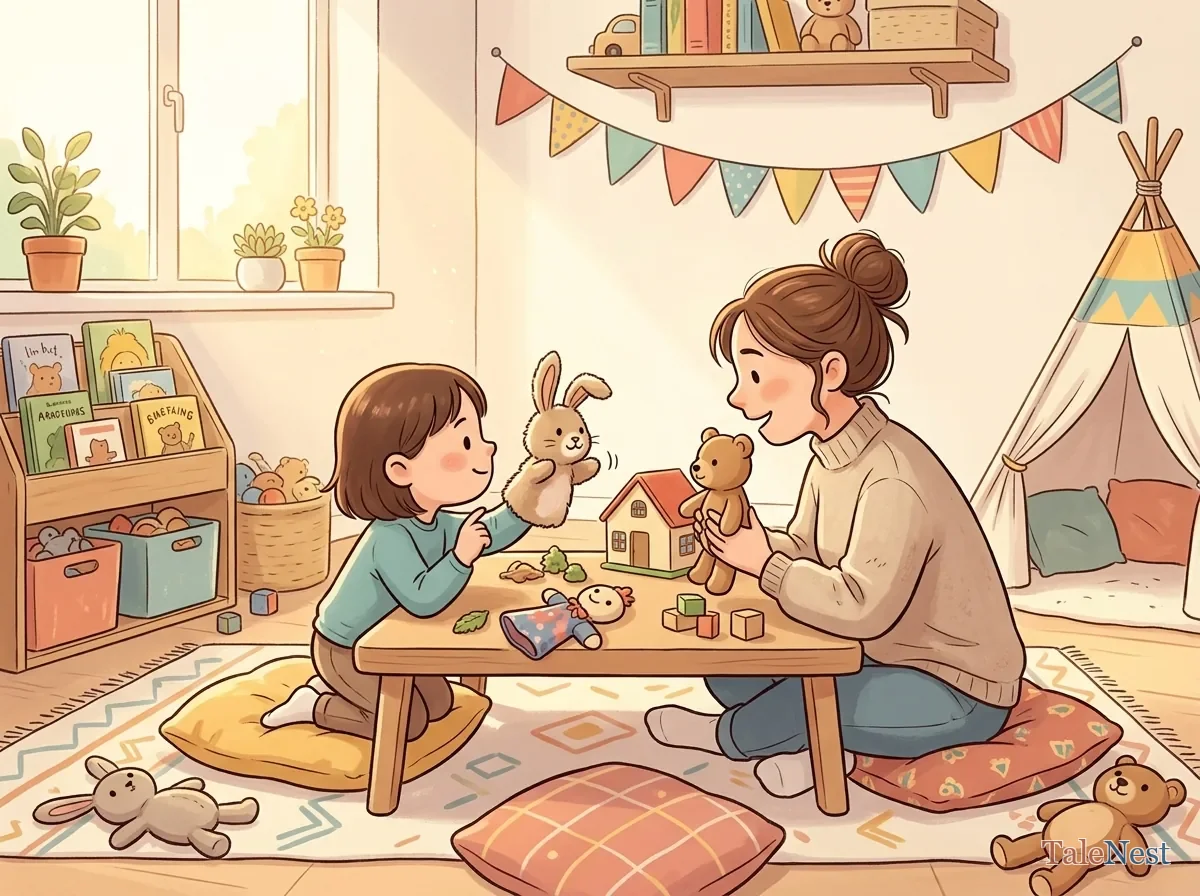
Use role-play. Children have remarkable imaginations, and play is how they work out everyday problems and make sense of the world and their relationships. To help your child understand social situations and feel more at ease in them, role-play is a wonderful tool. Sit down together with stuffed animals, dolls, or puppets and let the toys act things out. Let your child steer the story, or introduce a small problem the characters need to solve. Give them space to express themselves and pay attention to what their fears reveal. Then let your own character offer a solution, showing them fresh ways to behave and handle a tricky moment.
Share your own experiences. Every one of us has felt fear or shyness at some point. Telling your child about those times helps them feel less odd and shows them, through a real example, that there are ways through it. Do not stop at the story, though, explain how you got through it or what you learned. Being able to laugh at yourself is powerful too, because it shows your child that the feeling is not something to be ashamed of.
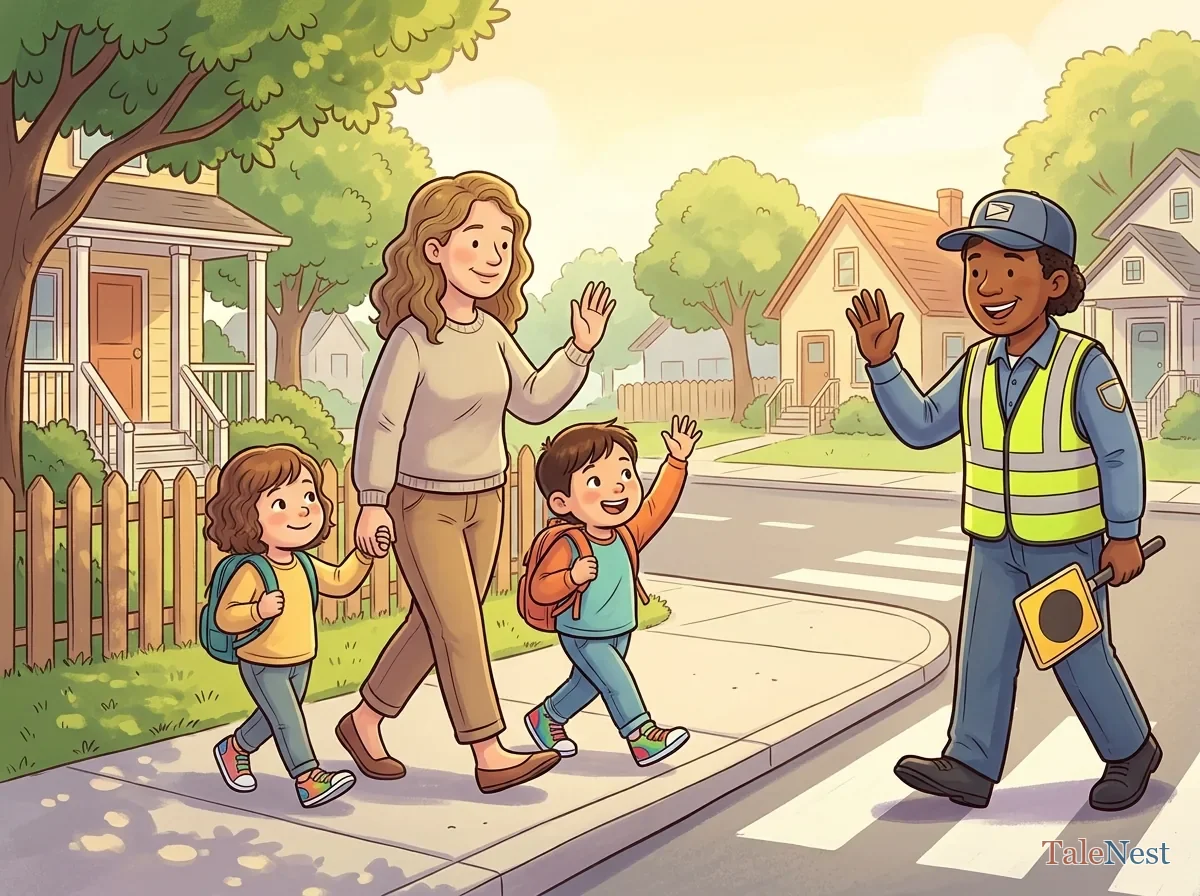
Avoid calling them shy. It is tempting to describe a child as shy, especially when relatives or strangers do it in front of them, but the label tends to make them retreat further. Condescending tones and well-meaning attempts to force them out of their shell usually backfire. The more the message is repeated, the more the behaviour gets reinforced. Being shy is not bad, it is simply one part of a personality that will keep evolving. The way forward is to build self-esteem, not to fight the trait head-on.
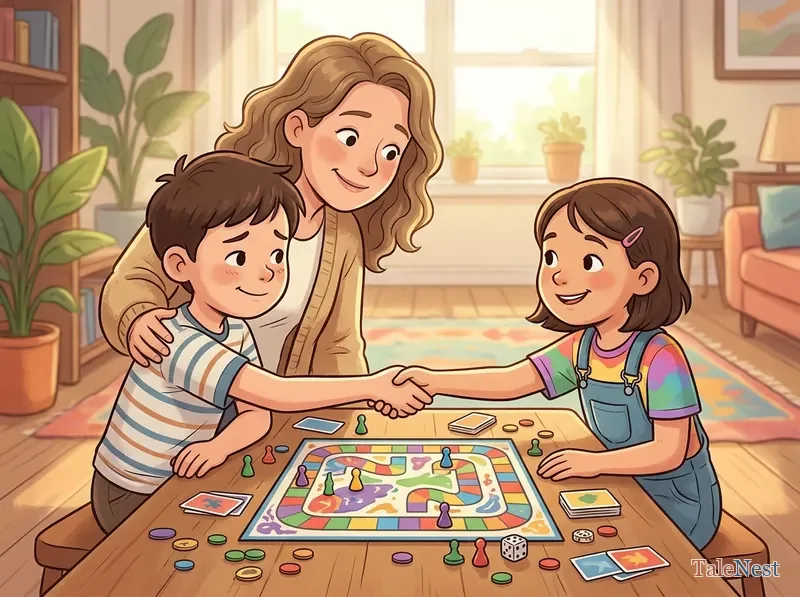
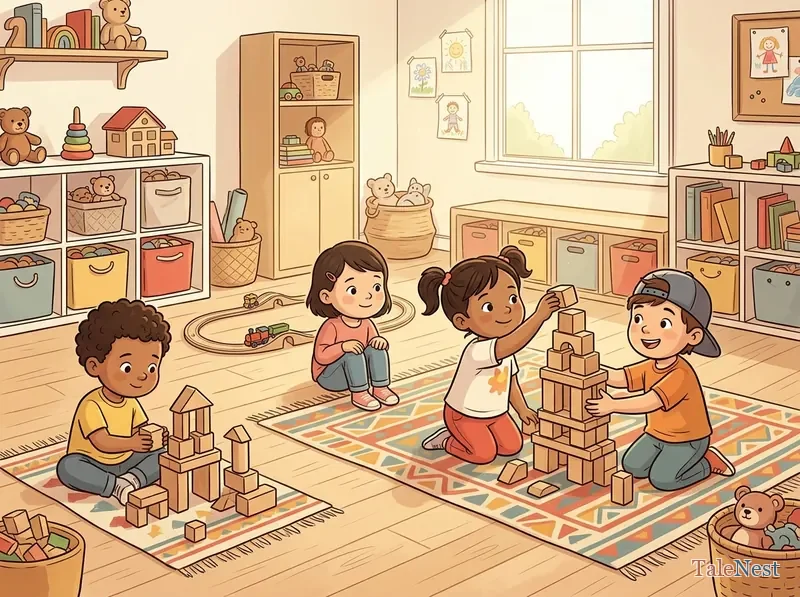
Help them make friends. Friendship does not come naturally to every child. For preschoolers especially, making a friend can be a brand-new and rather daunting challenge. If your child struggles to connect with others, lend a hand by arranging low-key time with children their own age, a neighbour, a friend's child, or a classmate. This might happen at the playground, by inviting someone over to play, or by joining a group activity where both children and adults are present.
Above all, go at their pace. Confidence grows from repeated, pleasant experiences, not from being pushed before they are ready. Celebrate the small steps, a wave, a mumbled hello, one shared toy, and let those victories accumulate. Over time, most shy children discover that other people can be safe and enjoyable to be around, and they step forward on their own terms.
Build a shy child's confidence through role-play, your own examples and low-pressure chances to meet peers, never by labelling or forcing them.