How to Teach Kids to Lose Gracefully
Children naturally hate losing, and a sore loser can drain the fun from any game. These practical strategies help kids handle defeat with grace and resilience.
This guide offers general information for parents and carers. It is not medical, psychological or developmental advice; ask a qualified professional about your own child.
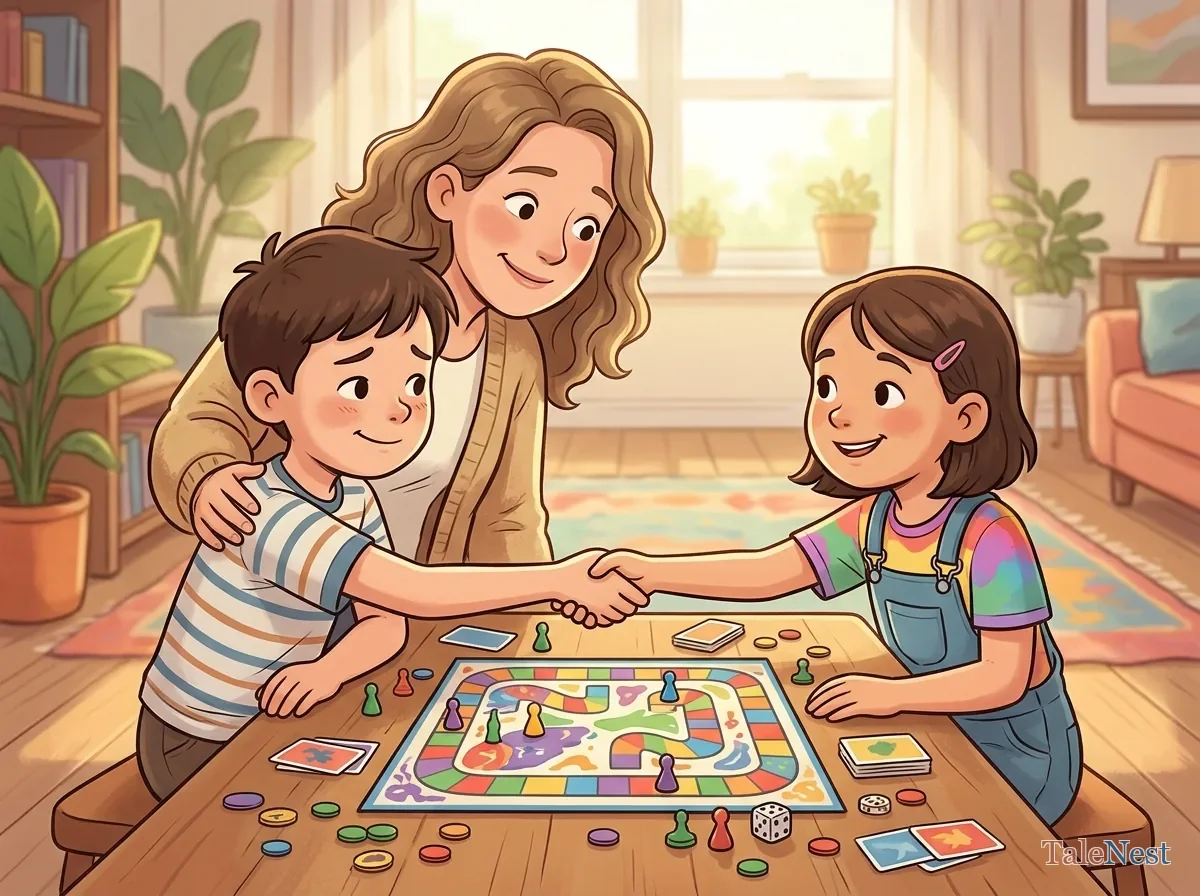
Most children want to win. That drive is completely natural, and it is just as normal for them to feel frustrated or resentful when things do not go their way. A little disappointment after a loss can actually be healthy, it teaches them that not every contest ends with a trophy. The trouble starts when a child becomes a sore loser and the whole game stops being fun. Snide remarks about the other team or player, a sulky attitude, refusing to shake hands, or even lashing out physically are all classic signs. When losing turns into a scene, everyone's enjoyment drains away, including the child's.
Teaching a child to lose well is one of those life skills that reaches far beyond the playing field or the board game. Defeats will show up again and again throughout life, whether at school, at work, in relationships, or in hobbies. Helping a child handle them now gives them a foundation they will lean on for years. This is not about hardening them to disappointment; it is about giving them the tools to meet it without falling apart or taking it out on someone else.
A few practical strategies make this much easier.
Let them feel the frustration. Many adults instinctively try to distract an upset child with a snack, a change of subject, or a different activity. Resist that reflex. Children need to learn that sometimes you win and sometimes you lose, and the only way to get comfortable with that is to sit with the feeling. If you always sweep the frustration away, the child never gets the chance to practise managing it. Let the moment be a little uncomfortable, stay nearby, and let them work through it.
Let them win sometimes. This may sound contradictory, but tilting the odds in their favour occasionally is genuinely useful. Winning every single time would be a problem, but deliberately letting them take a round now and then gives them a taste of what success feels like and a reason to keep trying. Once a child knows what victory feels like, it becomes much easier to frame failure as a chance to improve rather than as proof of failure as a person. Experiencing both sides also opens the door to empathy: when they win, they can remember how the other person felt and choose respect over ridicule. That is the heart of good sportsmanship.
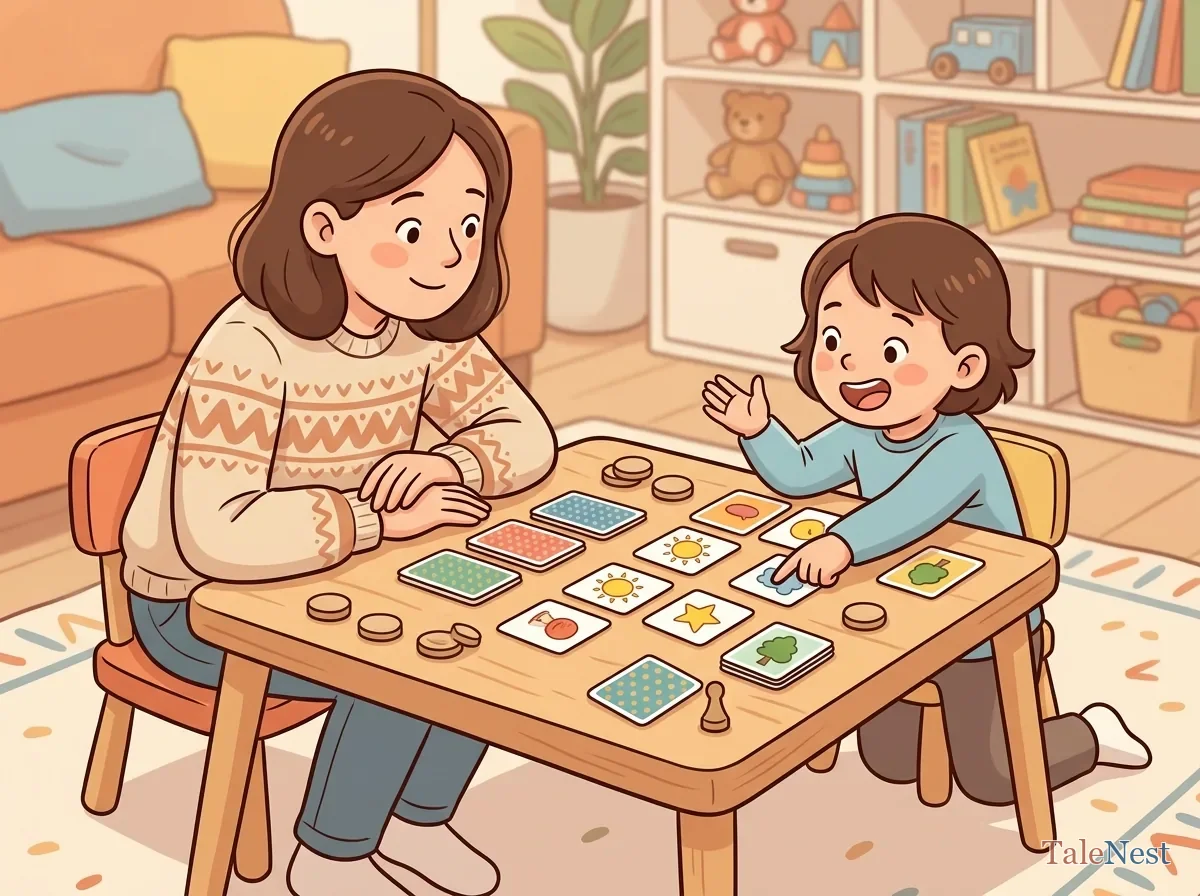
Teach them to manage the anger. When a child loses it after a defeat, they have lost control in the moment. Set clear limits on that anger, yelling, insults, and hitting are not acceptable, while also showing them what to do with the feeling instead. Give them ways to channel the mood: a few slow breaths, a short walk, or a quiet corner. At the same time, keep the event in proportion. You do not want to dismiss their feelings or pretend the loss meant nothing; you want to help them see its real size. A game is a game, and the sting will fade.
Show why taking part matters. 'What matters is that you participated' is a phrase children, and honestly, many adults, struggle to believe. Help them see what it really means. The fun of a competition is sharing a stimulating activity with other people, friends or strangers, and testing your skills against someone else. The real challenge was never the final score; it was improving, noticing what needs work, and discovering what happens when you put practised abilities to the test. When you make improvement the goal, losing stops feeling like a disaster and starts looking like information, a chance to get better.
Build perseverance. A loss is actually a wonderful moment to teach grit. Support their practice or study efforts, and help them notice their own progress, even the small gains. Help them set realistic goals and make a point of acknowledging when they reach them. When children can see that effort leads to improvement, a defeat becomes a stepping stone rather than a dead end.
Model it yourself. Children learn far more from what they watch than from what they are told. Let them see you accept a loss gracefully, with a positive attitude, without sulking, mocking an opponent, hurling insults, or lashing out. Just as important, let them see you trying to get better, being willing to compete, and genuinely enjoying yourself in the process. When losing is handled calmly in your house, children absorb that response as their own.
When you let kids feel disappointment, focus on improvement and model gracious behaviour, losing becomes a chance to grow rather than a reason to lash out.