The Many Kinds of Play and Why Each One Matters
From solitary play to cooperative games, every kind of play shapes a child's development. Here is how each stage and style supports growing skills.
This guide offers general information for parents and carers. It is not medical, psychological or developmental advice; ask a qualified professional about your own child.
Play is not a frivolous extra in a child's life, it is central to how they grow. When a child throws themselves into a game, they are doing much more than filling time. They are sharpening their motor skills and creativity, and at the same time they are practising essential social abilities: waiting for a turn, cooperating, sharing, and getting along with others.
Thinkers have long recognised this. Freud and Erikson saw play as a particularly useful way for human beings to adapt, helping children gain control over emotions and inner conflicts. Piaget viewed it as the route through which children pick up new skills in a relaxed, enjoyable way. When a child plays, learning happens almost as a by-product.
Play differs not only by the activity itself but also by how a child engages with others. The sociologist Mildred Parten, writing in the early twentieth century, described six types of play that depend on a child's age, mood, and social surroundings. Watch a group of young children for an afternoon and you will often see several of these modes in one session, shifting naturally as their mood and their company change.
The six types she identified are: unoccupied play, where a child stays in one spot making random movements with no particular goal; solitary play, where they play alone, quite independent of other children; and onlooker play, where they watch others play and may talk or ask questions but do not join in. Then come parallel play, where a child plays alongside others with similar toys or copies what they see without really interacting; associative play, which involves social interaction with little or no organisation; and cooperative play, where a group interacts with a shared sense of identity and purpose.
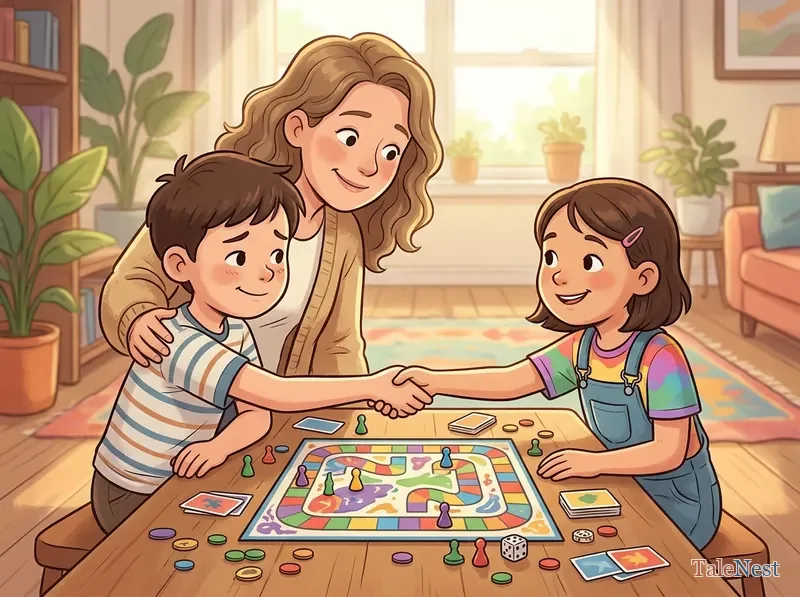
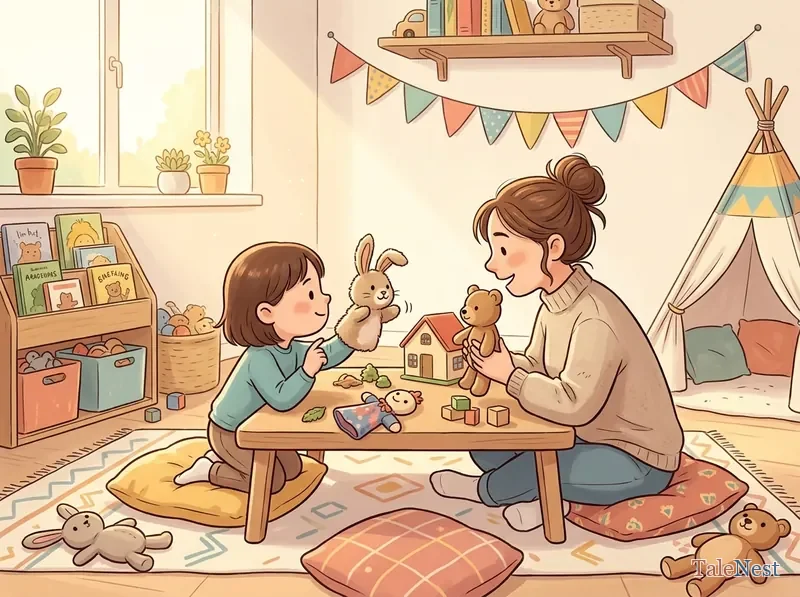
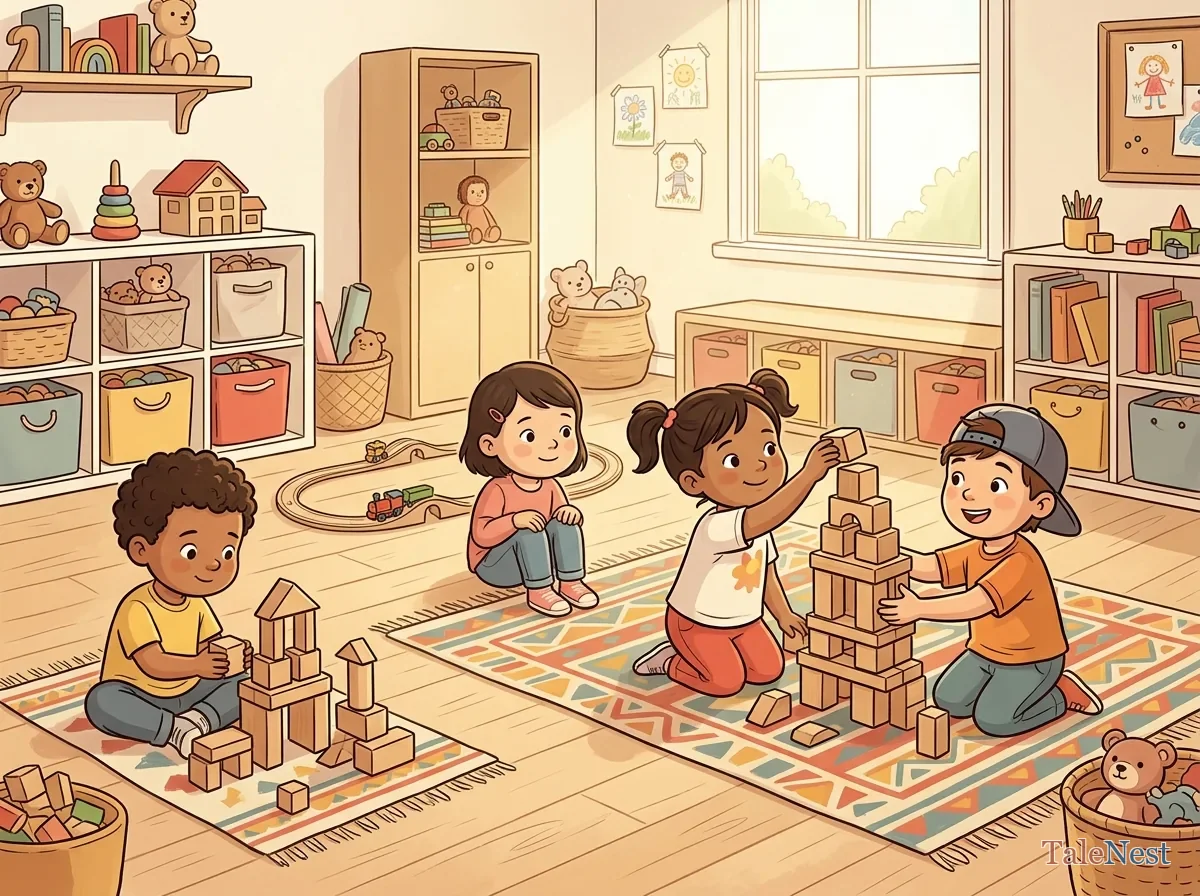
Every one of these forms has a place in healthy social development. As children begin to engage in cooperative play, other, more advanced kinds of play tend to appear as well. Dramatic or fantasy play, acting out scenes and taking on roles, feeds the imagination while building a broad range of social skills. Competitive play, whether structured by formal rules or loosely agreed on, revolves around rules that everyone must follow; through it children learn to observe limits, to win and lose, to cooperate, and to respect what has been agreed. Construction play, such as building with blocks or kits, teaches children to handle objects and to work out how things are put together, while also stretching imagination and encouraging them to seek better solutions.
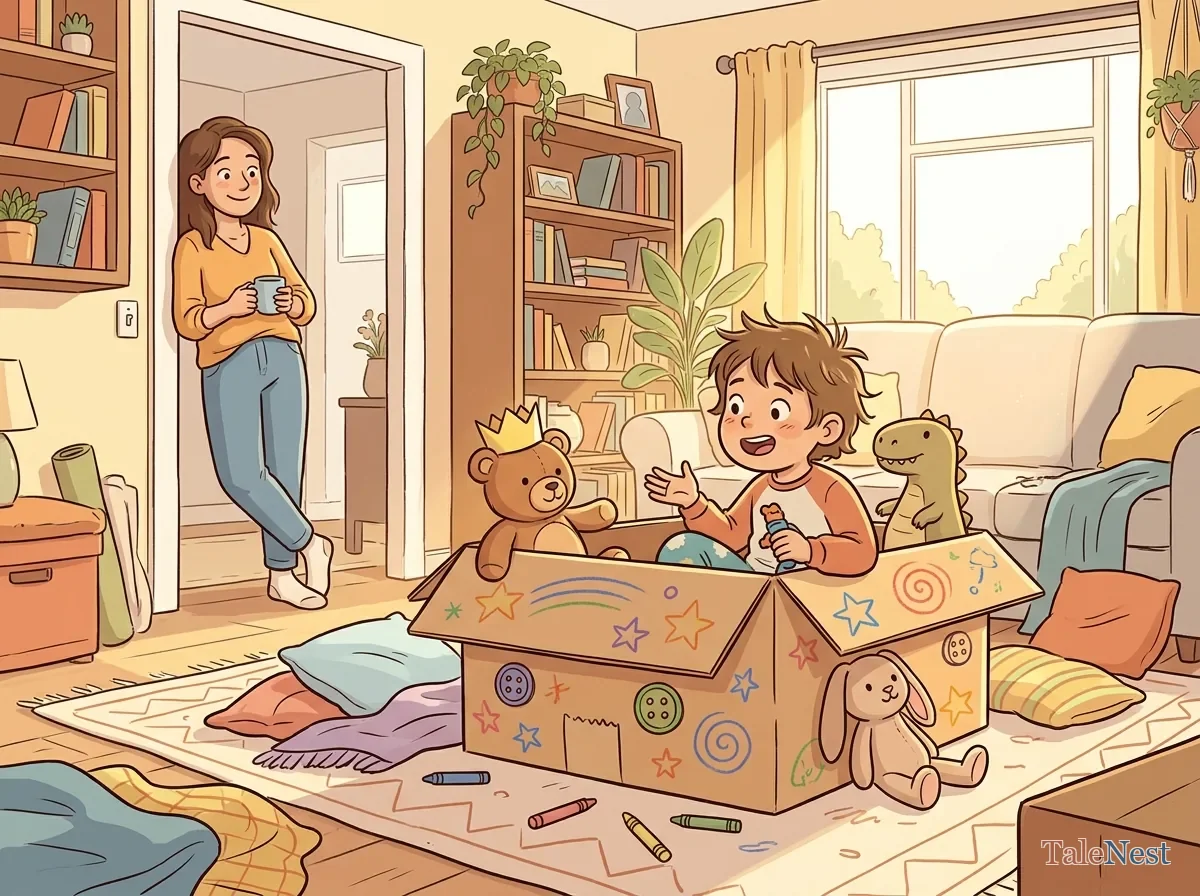
Seen as a whole, play supports growth in several distinct areas. Physically, children exercise almost without noticing it, developing both gross motor skills and fine motor control. Movement supports healthier development and even helps them sleep better. Emotionally, play lets them experience a wide range of feelings and work through conflicts, both real and imagined, in a safe space.
Creatively, it wakes up and stretches the imagination. Through play children also get to know their own bodies, what they can do, and how their abilities can improve. It builds habits of cooperation, teaching them to team up and combine efforts toward a common goal. And it sharpens perception and sensory discrimination, as children learn to notice, compare, and make sense of what they see, hear, and touch.
For parents, the takeaway is simple: make room for many kinds of play. A child who sometimes plays alone, sometimes watches, and sometimes throws themselves into a noisy group game is moving through the stages naturally. A cardboard box can be a spaceship one morning and a shop counter the next, and neither use is wasted time, those inventions are quietly rehearsing planning, negotiation, and storytelling. Rather than steering every moment toward a 'productive' activity, trust that ordinary play, messy, repetitive, and imaginative, is doing the heavy lifting of development.
Every kind of play, from quiet solo moments to lively group games, builds the physical, emotional, creative and social skills children need.