How to Help Kids Organise Their Study Time (Without the Nightly Battle)
A reliable homework system doesn't happen by itself. Here's how parents can help children plan, prioritise, and focus—with less stress for everyone.
This guide offers general information for parents and carers. It is not medical, psychological or developmental advice; ask a qualified professional about your own child.
Being able to follow a system that gets the schoolwork done is a real challenge for many children, and, in more cases than we might think, one of the reasons children fall behind. The good news is that parents can do a great deal to help a child learn to organise their study time in a way that is both effective and calm. You do not need a complicated method; you need a handful of consistent habits that slowly become second nature.
Start by talking with the teacher. When you notice your child is struggling with homework, get in touch. A teacher can advise on the best ways to help at home and on other related concerns. This matters because children sometimes behave very differently at home than they do in class, which can cause confusion and misunderstanding about what they actually need. Whatever the case, the teacher should know what difficulties the child is having with homework. Children with learning problems react to homework in different ways. For some, working alongside a parent is enjoyable and motivating; for others it breeds dependence, and they start expecting the adult to do the work. Still others avoid help altogether so their difficulties or disabilities do not show. The trick is to find the middle ground, adapting to each child's needs and character and keeping the child's self-esteem at the centre of every decision.
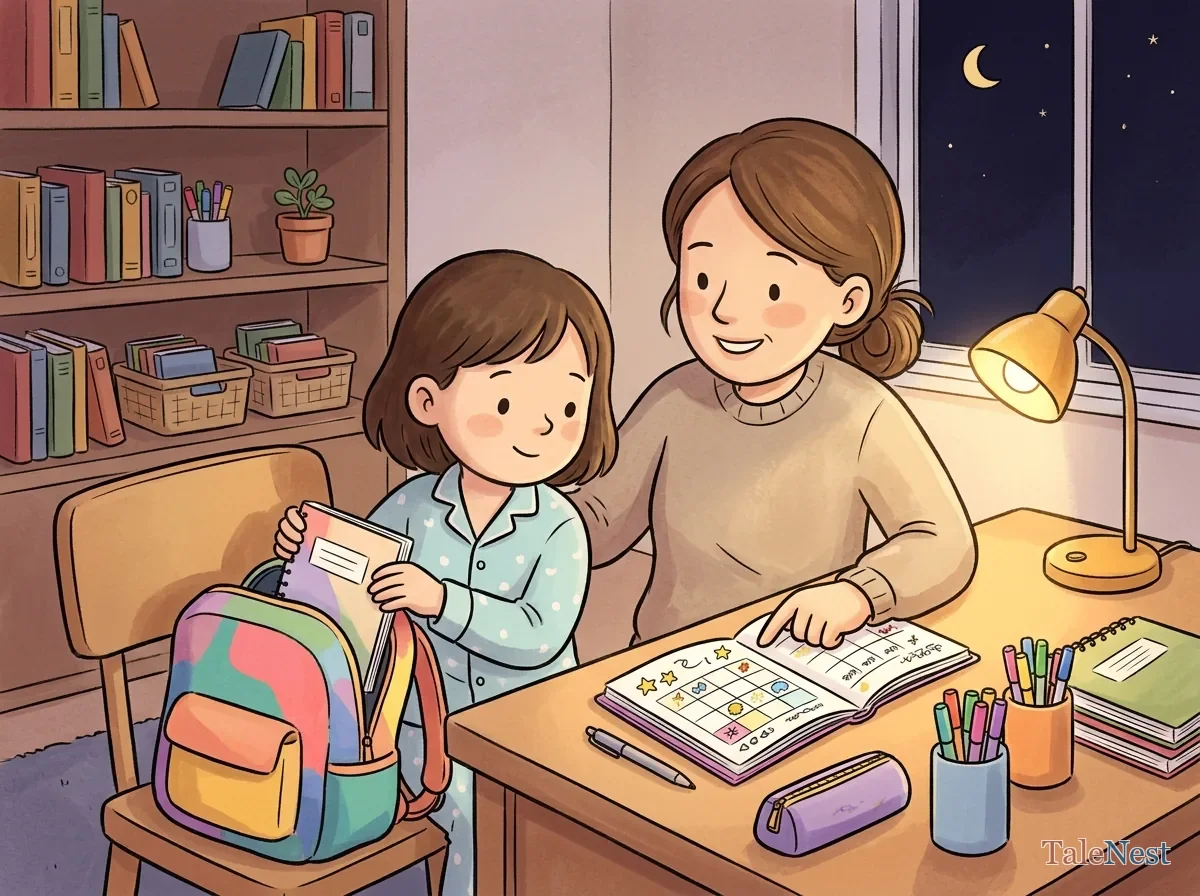
Another practical area is organising materials. Some children who struggle with learning also struggle to keep track of their things, and parents can help in several concrete ways. Get the school bag and supplies ready the night before instead of racing around at the last minute. Encourage your child to write down the tasks for each subject in a planner so they can see the week and manage their time; if writing daily assignments is something they resist or find hard, a small reward system can help build the habit. Check that they actually have everything they need at home to complete the work. And encourage them to ask the teacher about anything they did not understand, a question asked early saves a great deal of frustration later.
Before any work begins, talk with your child about what needs doing and help them set priorities. There is no single right order. For some children it works best to tackle the hardest task first, while for others it is better to start with something simple to get moving and build momentum. Let them take part in the decision; a child who has chosen the order is more likely to follow it.
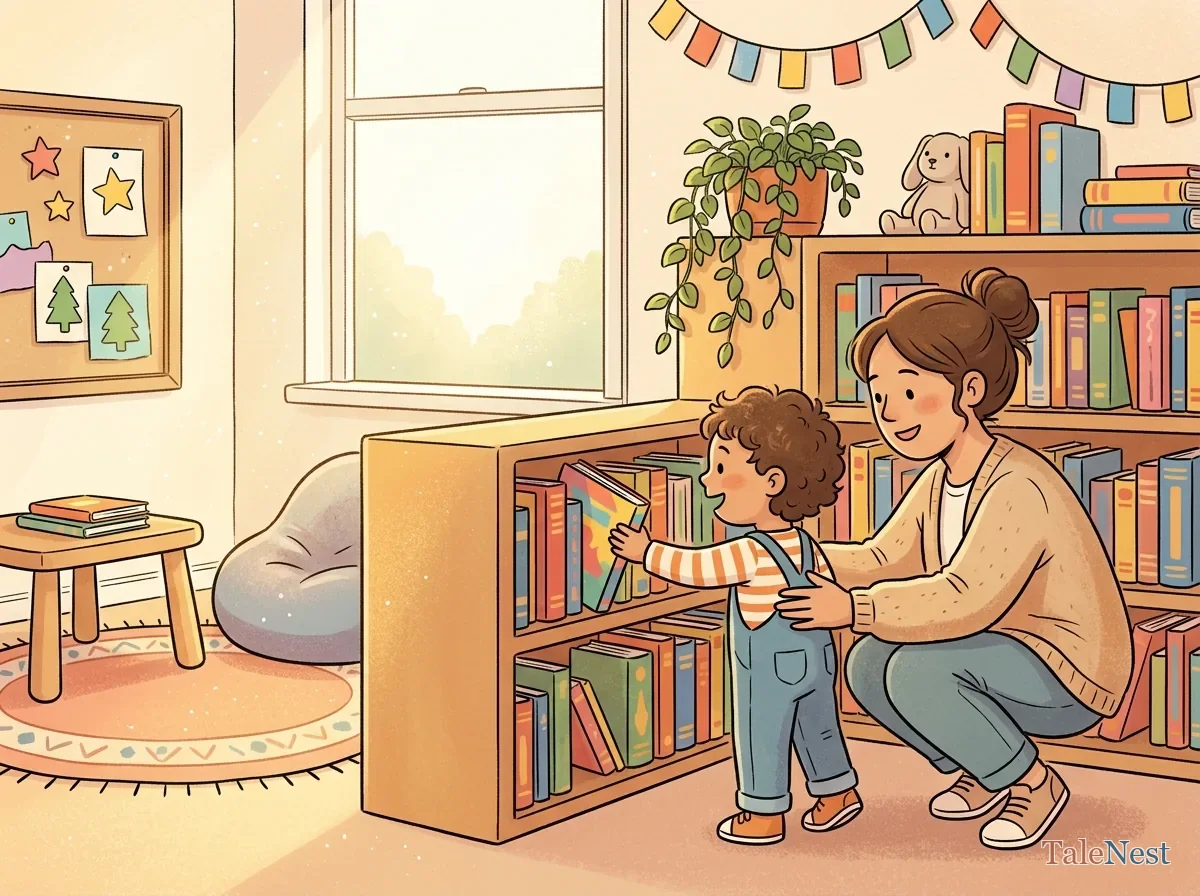
The setting matters just as much. Homework is best done somewhere quiet, well lit, and free of distractions. Keep the materials your child needs within easy reach so they do not get up and wander off in search of a pencil or a ruler, small interruptions like these are surprisingly good at breaking concentration.
Set a regular time. Choosing a specific hour each day for homework creates a routine, and the child gradually gets used to it, so settling down becomes easier. Let your child help pick the time: for some the best moment is after relaxing and playing for a while; for others it is early in the afternoon, before other activities take over. As children grow, the workload gets heavier and homework can take a long time. To keep them working well over longer stretches, build in short breaks every so often. A timer can be useful because it also makes the child aware of how long each task takes. If they lose track of time, you can keep count for them. The aim is a rhythm they can sustain, not a marathon that ends in tears.
Talk with the teacher, prepare materials ahead, set a regular homework time, and break study into focused chunks with short breaks.