How to Raise Kids With Healthy Eating Habits That Stick
Picky appetites and constant snack requests usually mean a child hasn't learned clear meal habits. Here's how to model, structure, and gently guide better eating.
This guide offers general information for parents and carers. It is not medical, psychological or developmental advice; ask a qualified professional about your own child.
It's a familiar scene: a child pushes food around his plate at dinner, then asks for something to eat an hour later. Or he has no appetite at the table but happily demolishes candy, chips, and cookies whenever they're around. The underlying problem usually isn't a medical one, it's that the child hasn't learned clear, predictable habits around food. Meals and snacks don't have a rhythm yet, so he eats by impulse rather than by routine.
The challenge grows when your child is with someone other than you, or when several adults are involved in feeding him. Grandparents, babysitters, and relatives may have different rules, and suddenly it's hard to keep track of what he's actually eaten. So how do you help a child settle into healthy habits and eat the right foods at the right times? The following approaches have helped many families.
Start with your own plate, because children learn far more from what they see than from what they're told. If they watch you grazing between meals or tucking into snacks right before dinner, they'll assume that's normal, and they'll be right to. The same goes for what you serve and what you say about food. Kids need to see their parents eating a variety of foods and genuinely enjoying meals. Just as important, avoid turning your nose up at certain foods or making negative comments about them in front of your child. If you speak about broccoli or fish like they're a punishment, don't be surprised when your child refuses them too.
Expect your child to be a little hungry mid-morning, that's completely normal, and be ready with something nourishing. Offer fruit, yogurt or other dairy, or a simple sandwich with cheese or cold cuts on bread. Keep sweets and highly processed treats out of the picture, especially the packaged kind. To stop the snacking from turning into a cycle of asking and negotiating, set a regular time for the snack. When a child knows a healthy option is coming at a predictable hour, a lot of the anxiety around food disappears.
A solid breakfast sets the tone for the whole morning and keeps hunger from building to a boiling point by lunchtime. Of course, some mornings just don't cooperate. If your child genuinely won't eat, a sensible mid-morning snack can bridge the gap, not ideal, but far better than nothing. What you don't want to do is withhold all food until noon as a form of correction. If a child has skipped breakfast, letting him go hungry until lunch only ramps up his anxiety and makes the next mealtime harder, not easier.
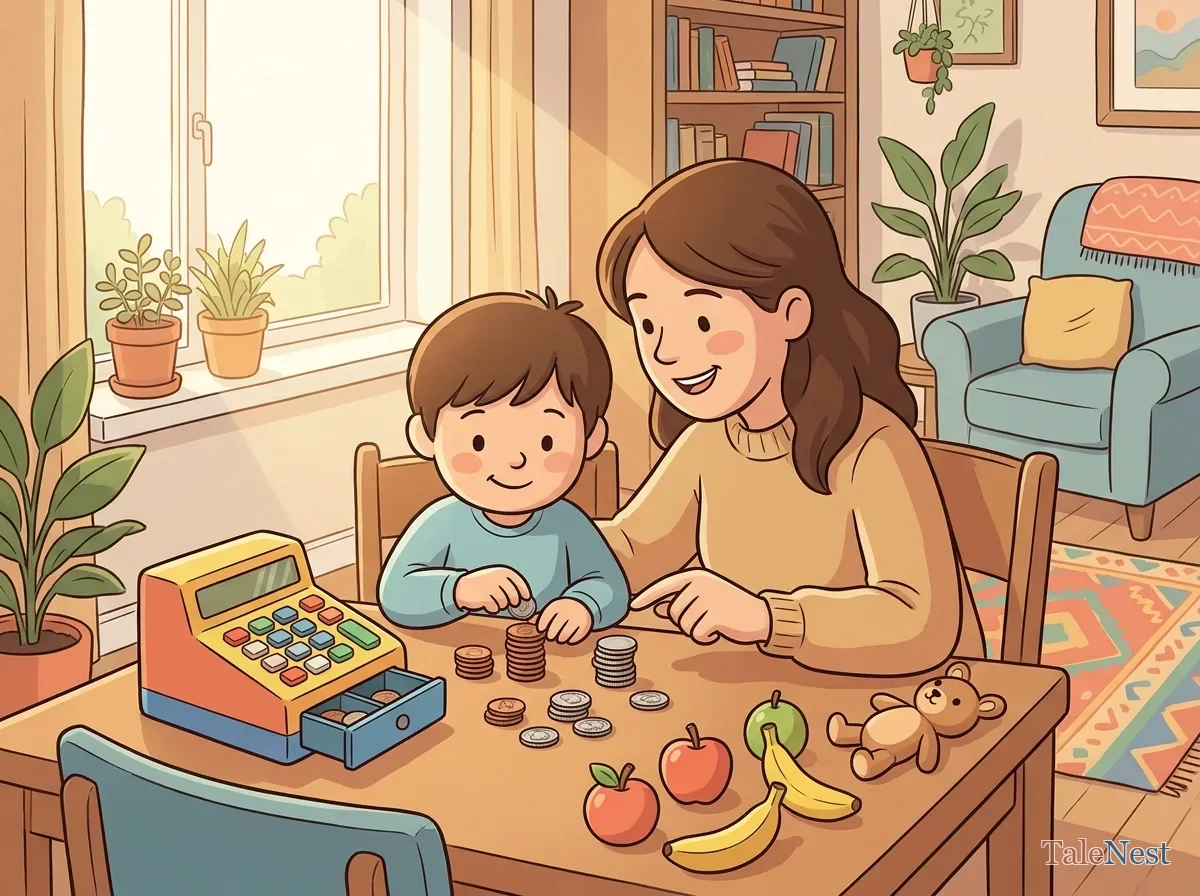
Here's a simple principle: food that's within reach will get eaten, and food that's known to be in the cupboard will get asked for. If your child can help himself to sweets and crisps, controlling intake is nearly impossible. Even if you move them to a high shelf, a child who knows they're there will keep requesting them. The fastest way to solve the problem is to stop keeping these treats at home altogether, or at the very least, don't leave them where your child can get to them. Changing the environment is easier than constantly fighting willpower.
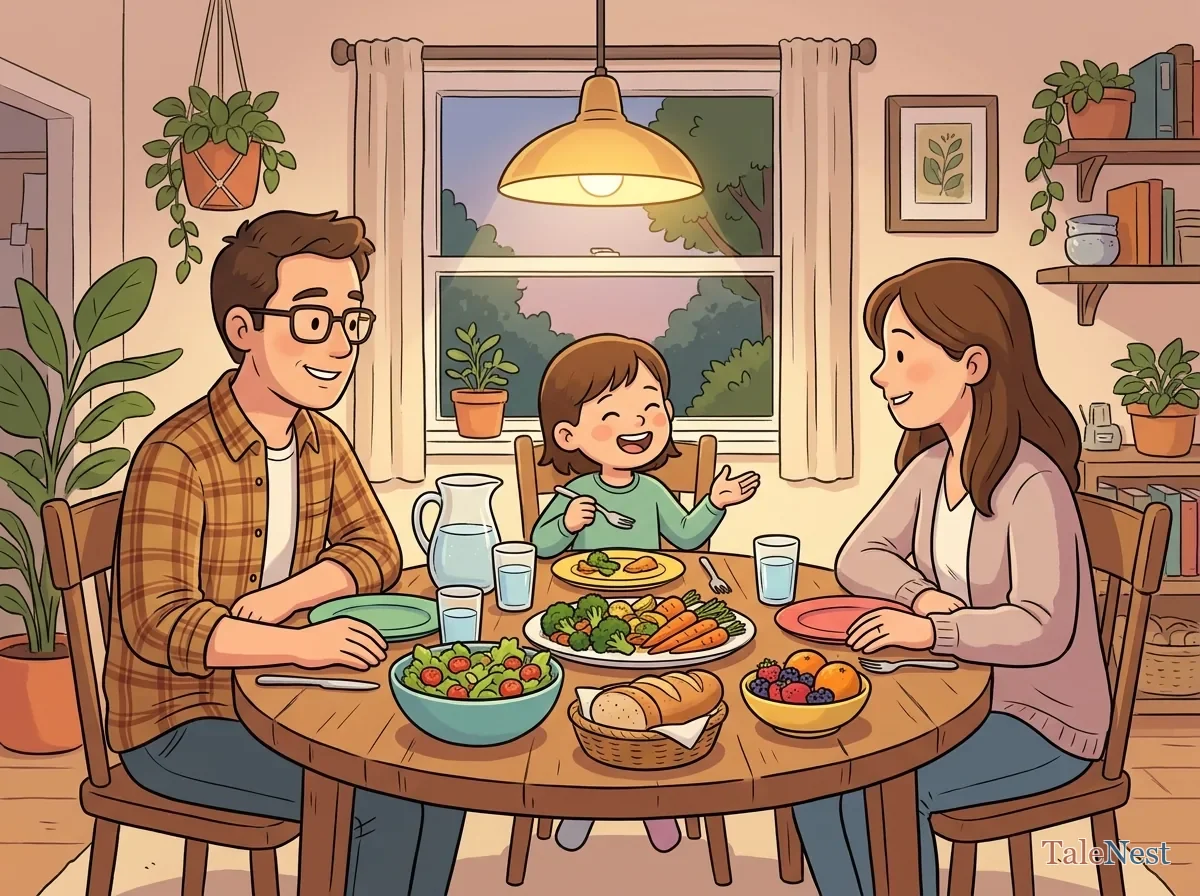
Eat together whenever you can, and make the table a calm, distraction-free zone. Television, phones, and toys turn mealtimes into something else entirely, the child eats without paying attention to what or how much he's consuming. A family meal without screens lets everyone focus on the food and on each other, and it gives you a natural chance to notice your child's table manners and eating patterns without making a big production of it. Shared meals also make food feel social and enjoyable rather than like a daily battle.
Children generally need smaller portions than adults, and here's the catch: most adults already serve themselves more than they should, so a 'smaller' adult portion may still be far too much for a child. Don't overload his plate in the name of making sure he eats enough. If you want your child to learn to eat a variety of foods comfortably, start with an amount that looks manageable to him. He can always ask for more. A mountain of food on the plate is intimidating and often ends in refusal.
Finally, give your child a say within sensible limits. Offering a few choices at mealtime keeps him engaged and makes him far more willing to eat. This doesn't mean asking which of three different dinners he wants. Instead, let him decide the small things: this sauce or that one, cheese on top or plain, grilled or steamed. When a child has a role in the decision, he's more focused on the meal and more relaxed about eating it. That small sense of control can turn a standoff into a reasonably peaceful dinner.
Kids eat best when parents model enjoyable, varied eating, keep healthy snacks on hand, and make family meals calm, consistent, and free of pressure.