How to Teach Kids to Resolve Conflicts Without Fighting
Children often hit, insult, or threaten when disagreements arise. Here's how to teach them first-person language, empathy, and calm problem-solving that sticks.
This guide offers general information for parents and carers. It is not medical, psychological or developmental advice; ask a qualified professional about your own child.
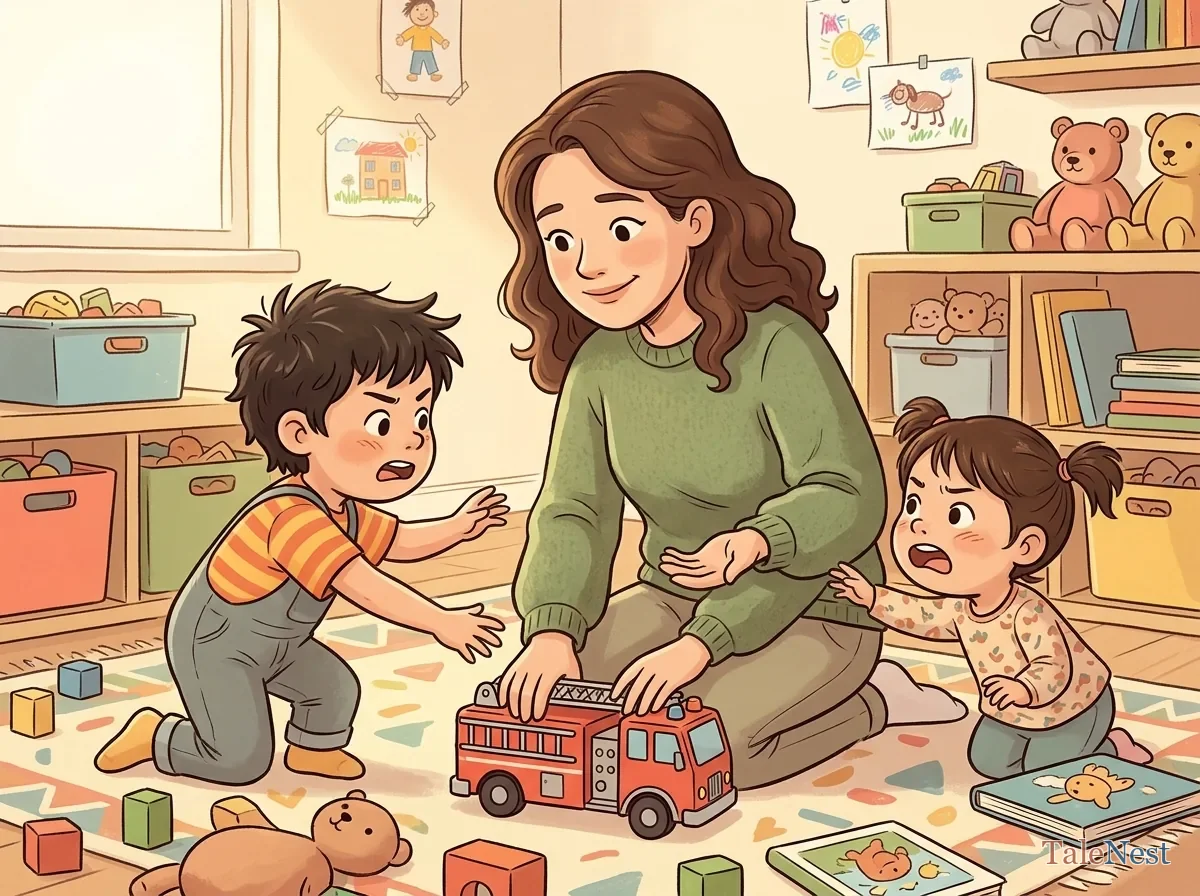
If you've ever watched two children argue over a toy, you know how quickly a disagreement can turn into shoving, name-calling, or a threat. It's the default setting for a lot of kids: when something goes wrong with a peer, they lash out. What we often forget is that settling a dispute without hitting, insulting, or intimidating someone is actually a sophisticated skill. It asks a child to manage big feelings, consider another person's point of view, and come up with a fair solution all at once, no wonder it takes years to get right.
That's why it's worth deliberately giving children the tools to handle tense moments. The goal isn't to raise kids who never argue, conflict is a normal part of any relationship, but to help them work through disagreements in ways that are non-violent and respectful of everyone involved. Below are six approaches that work across age groups.
Start by teaching your child to talk about himself instead of at someone else. When children are upset, their instinct is to point a finger: 'You're mean!' or 'You always cheat!' That second-person language turns the other kid into the enemy and shuts down any chance of a conversation. Instead, coach your child to describe what's bothering him or how he feels: 'I felt left out when you didn't let me play,' or 'I get frustrated when my turn is skipped.' This 'I' language does something powerful, it moves the focus from blame to the actual problem, which is the first step toward solving it. Children who can name their feelings are far better equipped to get to the root of what's wrong.
Next, help your child step into someone else's shoes. Empathy doesn't come automatically; it's a muscle that grows when parents talk about feelings, their own, the child's, and other people's. You can ask, 'How do you think that made your sister feel?' or 'What was he probably feeling when you grabbed the toy?' When children learn to recognize that their actions have a direct effect on the people around them, they become less likely to keep repeating the behavior. Understanding the impact of what they do is often what stops the cycle.
Children also need practical problem-solving skills, and creativity matters here. Rather than handing them a solution, talk them through the situation and brainstorm possibilities together. You can use a real conflict that just happened at the playground or one from earlier in the week, either works. Ask questions like, 'What could you have done differently?' and 'What are three ways you both could have been happy?' Let your child generate the ideas, even the silly ones, before steering toward what might actually work. Kids who practice this learn that most conflicts have more than one acceptable outcome.
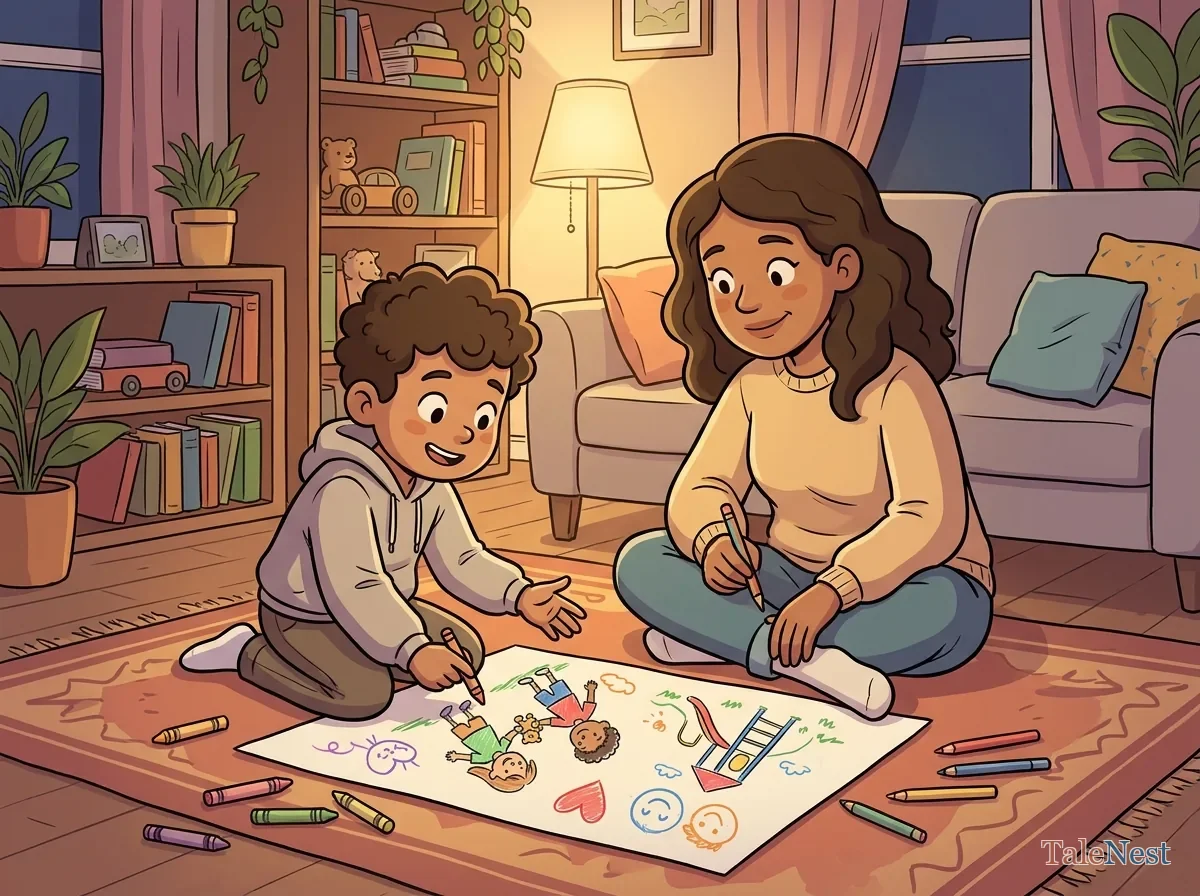
The best lessons happen in the moment, so stay alert to everyday opportunities. You don't need a live argument to teach conflict resolution. A disagreement your child describes from school, a scene from a television show, or a situation in a storybook can all open the door. You might say, 'That's interesting, what would you have done in that spot?' Role-playing is useful too, but it works best when it grows naturally out of something your child is already curious or upset about, not when it's forced on them out of the blue. A child who's rehearsing a real worry pays attention; one who's being made to act out a random scenario usually just goes through the motions.
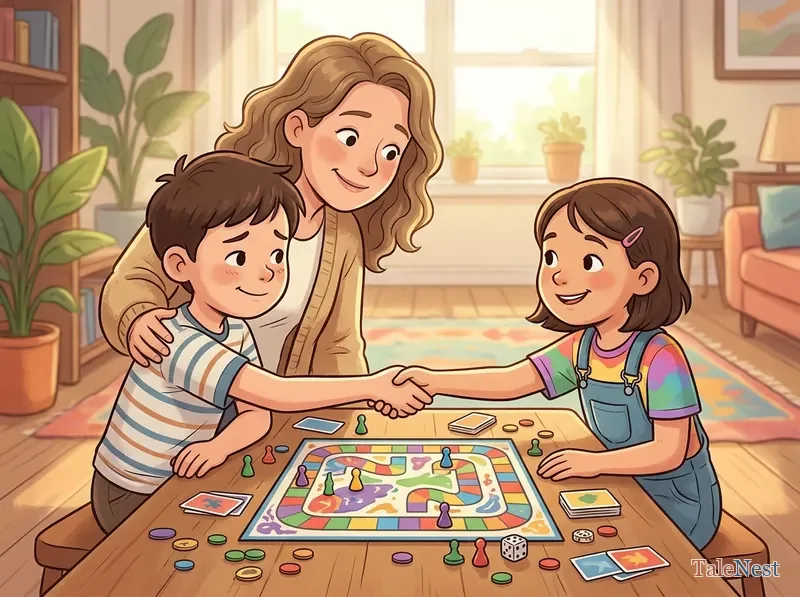
Make a habit of noticing and naming peaceful resolutions, both your child's and other people's. When you see your child handle a dispute well, tell them specifically what they did: 'You told him how you felt instead of pushing, that worked.' If a sibling or a character on a show resolves something calmly, point it out. Talking about what went well reinforces the skill and makes it more likely to happen again. It's also worth asking, 'What do you think would have happened if you'd yelled instead?' That kind of reflection helps children understand consequences and see why the calmer choice was the better one.
Finally, and this may be the most important piece, model the behavior yourself. Children are keen observers, and they replay the conflict styles they see around them in their own way. If they hear you shout, threaten, or slam doors when you're frustrated, they'll assume that's just how disagreements work. But if they watch you stay calm, talk things through, and even apologize when you're wrong, they learn that conflicts really can be settled without yelling or aggression. You don't have to be perfect; narrating your own efforts ('I'm taking a breath because I'm annoyed') teaches as much as getting it right.
Children learn to resolve conflicts peacefully when parents model calm behavior, coach 'I' language, and practice empathy and problem-solving in real moments.