Ten Simple Ways to Raise a Reader at Home
Reading shapes how children feel, imagine, and understand the world. These ten practical habits help parents turn everyday moments into a lasting love of books.
This guide offers general information for parents and carers. It is not medical, psychological or developmental advice; ask a qualified professional about your own child.
Few gifts carry as much quiet power as helping a child fall in love with books. Reading nourishes a child's emotional and psychological growth: inside stories, children try on feelings and sensations they may never have met in real life, and learn how the world works and how to find their own place in it.
Books also give imagination room to roam. A child can drift into a made-up world alone, curled up with a favorite story, or share that world with a parent, sibling, or friend.
With this in mind, the Spanish Association of Primary Care Pediatrics (AEPap) marked International Book Day in 2013 with a set of down-to-earth suggestions for families. Here are ten ideas for making reading a natural, welcome part of everyday family life.
Give books a home your child can reach. Clutter and reading do not mix well, so bring a little order to both your child's time and their collection. You do not need a whole library room, a low shelf or a cozy corner where books sit within easy reach is plenty. When children can see and grab their own stories, books become part of daily life rather than something stored away.
Make reading a daily appointment. Set aside a little time each day when everyone is relaxed and in the right mood. Right after a meal or during the wind-down before bed works well. The exact moment matters less than the rhythm: pick a slot your child can count on and look forward to, the way they might anticipate a favorite game.
Lean on people who know books. The number of titles out there can feel overwhelming, which is why it pays to ask for guidance. Teachers, librarians, and booksellers can point you toward stories that suit your child's age, interests, and reading level, and they know what is new and worth trying. A short conversation with someone who follows children's books saves a lot of guesswork.
Pay attention to the questions they ask. What a child or teenager wonders about is a window into what they care about and what drives them. Notice which topics light them up, dinosaurs, friendships, space, mysteries, and follow those clues when choosing books. Your tastes and theirs need not match. The goal is to find the books they will actually want to open.
Keep books within arm's reach. Almost any moment can be a reason to pick one up, so leave them where children can find them. Even before a child can read, books spark curiosity: bright illustrations, the feel of turning pages, the sound of words spoken aloud. Stories are far more than printed sentences. But books that look like decorations on a high shelf will soon lose their appeal. A well-worn, dog-eared book is a far better sign of a happy childhood than a pristine one saved as a keepsake, though kids should still learn to handle books with care.
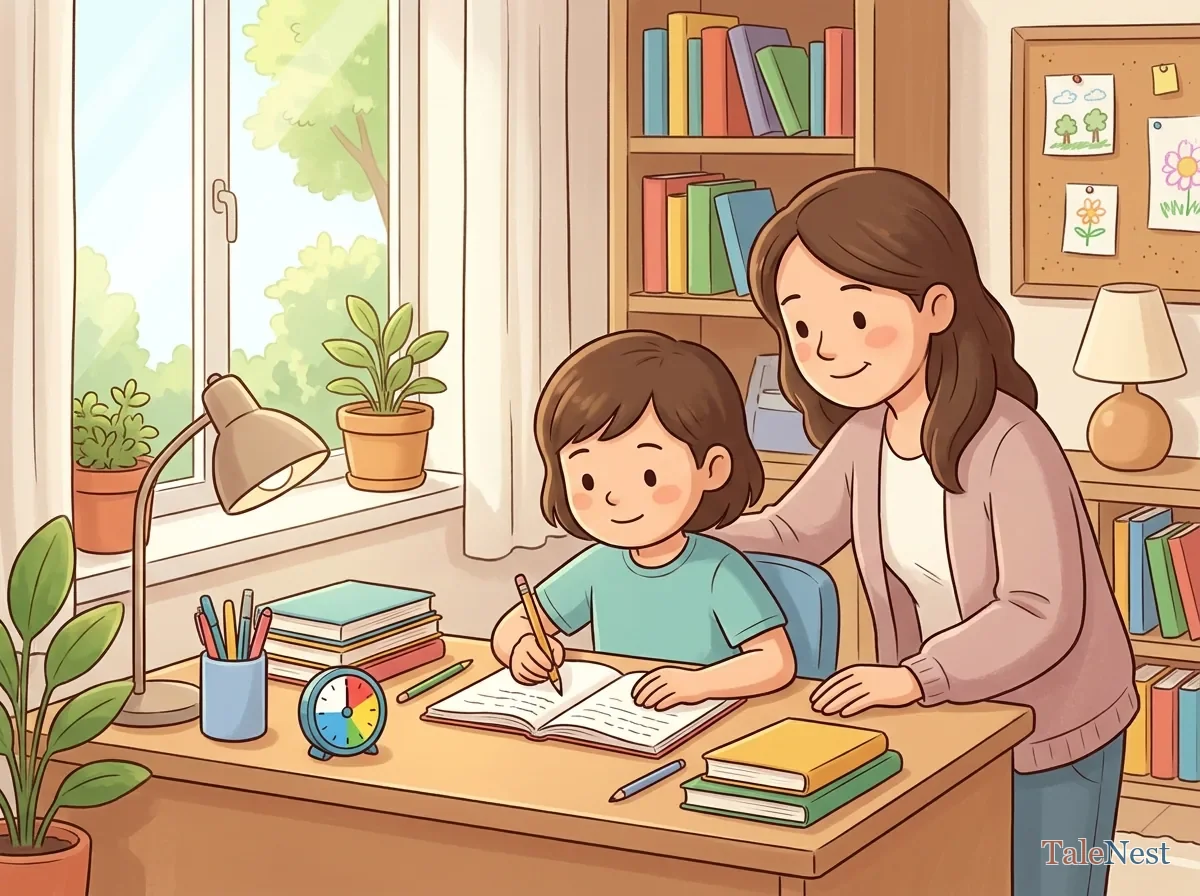
Let them see you reading. Adults are a child's most powerful model, and children copy what they watch. If you grab a few pages whenever you have a spare moment, keep a book nearby, talk with real enthusiasm about what you are reading, or share a favorite passage aloud, your children will want a piece of that too. You cannot talk kids into loving books as effectively as you can show them, by your own example, that you love them.
Let them choose. Children have a right to develop their own tastes, and those tastes shift as they grow. The best way to help them figure out what they like is to put a wide range of books in front of them and step back. That openness also keeps you in the loop about what they read for the next few years. Another good way to understand them is to read the books they love yourself, it opens a window into their world.
Offer, never force. Sitting down with a book you do not care about simply because someone made you is the fastest way to turn reading into a chore, and it is why so many well-meaning reading campaigns fall flat. The secret is gentle encouragement: awaken curiosity, stir interest, and make discovery feel like the child's own idea. A suggestion offered warmly wins far more often than a rule handed down.
Stay involved, even when they can read alone. Family support matters at every stage and should not stop the moment a child reads fluently. Reading is a complex skill, and tricky words, unfamiliar terms, and odd turns of phrase keep popping up. Being nearby to answer a question or clarify a meaning keeps the experience reassuring rather than frustrating, and shows your child that learning is a shared undertaking.
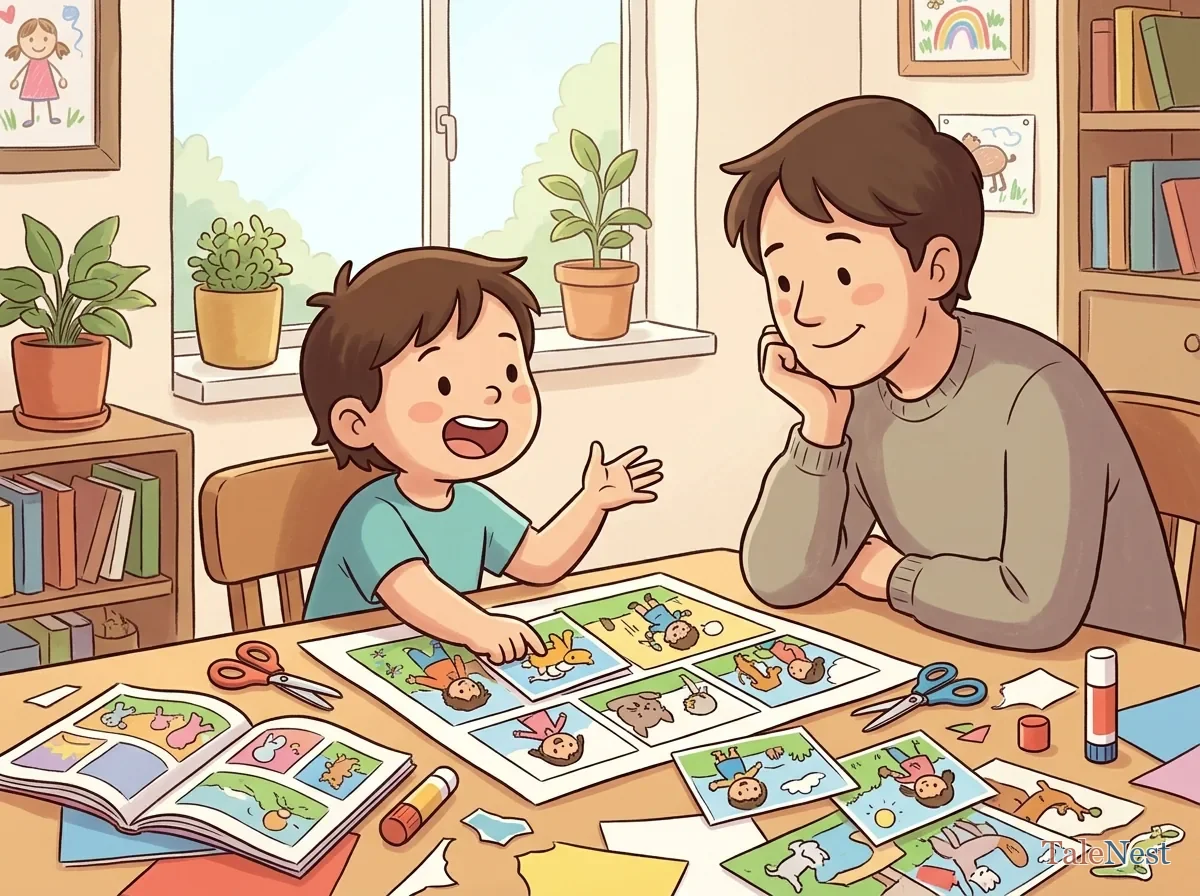
Read together. The reading habit spreads when it is shared. When you read alongside your child, laughing at the funny parts, wondering aloud about what happens next, thinking about the characters together, reading becomes linked with warmth and fun. That connection is what turns a one-time story into a lifelong habit.
In the end, reading is a life experience for children, not just a school skill. They learn, to be sure, but parents learn a great deal too, about stories, about the world, and above all about the child sitting beside them, discovering it all for the first time.
Make books easy to reach, read aloud daily, and let your child's curiosity, not obligation, lead the way.