When Little Kids Lash Out: How to Curb Aggression
Hitting, biting, and shoving are common in preschoolers. Understand why it happens and learn calm, consistent ways to stop it and teach better habits.
This guide offers general information for parents and carers. It is not medical, psychological or developmental advice; ask a qualified professional about your own child.
Many preschoolers respond aggressively to other children when they cannot get what they want. Hitting, biting, pushing, and scratching are all part of the pattern, and they can happen at home with siblings, at school with classmates, or anywhere a group of children gathers. It is understandably worrying. So what can a parent or caregiver actually do to stop it?
First, keep this in perspective. The behavior may be exhausting and maddening for the adults around it, but it is very common, and there is nothing strange or abnormal about it. Most young children go through a phase like this, and it does not mean your child is destined to be a difficult person.
Aggression at this age usually comes from a mix of factors. A child's language skills are still limited, so they cannot yet put their wants and frustrations into words. Their impulses run ahead of their self-control because their brains are still immature. They see the world largely from their own point of view. And they are driven to express their independence, often in the only forceful way they know how. Put those together and a shove becomes the easiest sentence in their limited vocabulary.
Not every child is equally impulsive or aggressive, of course. But whether you want to stop the behavior or prevent it from taking hold, the first step is the same: foster a peaceful environment. For an aggressive child, it is vital to keep that calm atmosphere steady before, during, and after each outburst. For many parents, staying calm in the heat of the moment is the hardest part of all. It is also the foundation everything else rests on.
Once you have managed to stay calm in the face of aggression, what should you do next?
Pay attention and act quickly. Because certain situations reliably set a child off, stay alert and step in the moment it happens. Resist the urge to shout; raising your voice only adds fuel. Where you can, anticipate the problem before it erupts. You might remove the toy or object causing the dispute, or move the child away from the activity for a couple of minutes to let the moment pass. The goal is to interrupt the behavior calmly and immediately, not to punish it angrily.
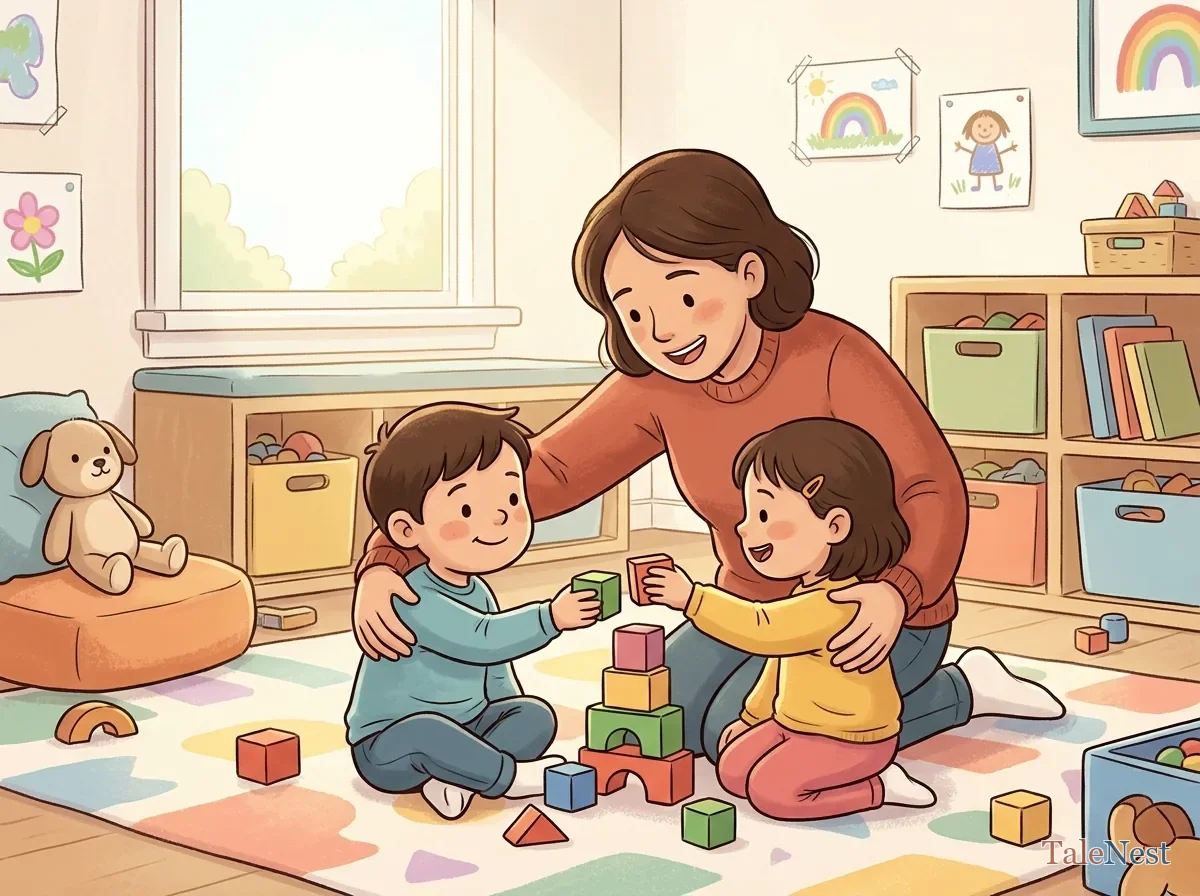
If the aggression happens again, respond the same way but for a slightly longer stretch of time, and keep extending it each time. This is tiring, and staying composed can be genuinely difficult, but hold firm. Your child will eventually understand the pattern, even if it takes the whole afternoon or several days and weeks of repeating it. Consistency is what finally makes the lesson stick, so the response must be the same every single time.
Praise good behavior. Children who lash out are used to hearing only correction and disapproval. Catching them when they are playing kindly or sharing, and telling them so, helps them tell the difference between right and wrong. Kids thrive on praise, especially when it is paired with a gentle touch, a caress, or a hug. Warmth makes the message land far better than a lecture.
Here is one important caution. If you do not want to raise a manipulator who learns to rule the household, never reward bad behavior with something material. Do not offer a treat or a toy to stop the hitting. Your child will work it out quickly: misbehave for a moment, get what you want, repeat. Giving in to buy a few quiet minutes teaches exactly the lesson you are trying to avoid.
Look for the root of the problem. In many children, aggression is a sign of something else going on. It may be a conflict with a family member or a difficulty at school. It can also be a reaction to stress at home, such as tension between parents, or to disturbing things a child has seen on television. This is especially worth investigating when the aggression appears suddenly and does not fit the child's usual character. Persistent or sharply changed behavior is often a request for help, and noticing the cause early can make all the difference.
Aggression in young kids is a normal, language-limited phase; stay calm, interrupt quickly and consistently, praise good behavior, and look for underlying stress.