Helping Your Child Feel Brave at Night
Fear of the dark and imaginary monsters is common in preschoolers. Gentle, step-by-step ways to ease bedtime fears and help your child feel safe.
This guide offers general information for parents and carers. It is not medical, psychological or developmental advice; ask a qualified professional about your own child.
Being afraid of the dark, or of imaginary monsters under the bed and inside the closet, is wonderfully common in preschool children. The culprit is their imagination. The very same gift that lets them turn a broom into a racehorse and invent elaborate games can also play a trick on them after lights out. Suddenly the corners of their bedroom, which is their own small world, become the setting for all kinds of creeping creatures and frightening stories. To a young child, the fear feels completely real.
The good news is that there are gentle, practical ways to help a child face the dark and the figures their imagination creates in the quiet of their room.
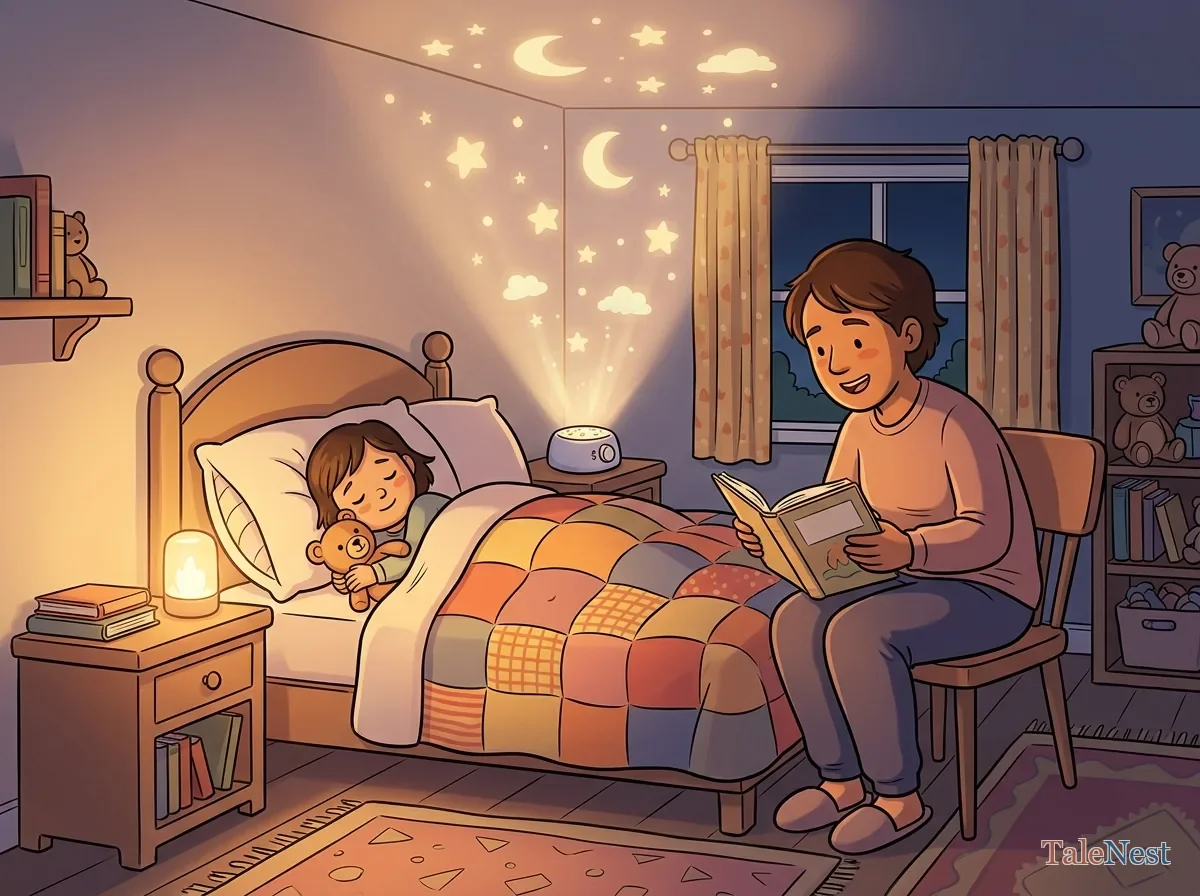
Ease into the dark slowly. This is a fear to approach with care and patience, not force. If a child is scared of being alone in the dark, do not simply insist and wait for the fear to burn itself out, because being pushed before they are ready usually makes the fear deeper. Start with a soft, low light in the room; there are night-lights made exactly for this purpose, in gentle colors that are soothing rather than stimulating. You can also leave a light on in the hallway or a nearby room so that its glow reaches the bedroom without filling it with brightness. Then, over days or weeks, remove the lights gradually, starting with the one in the room and then the others, giving your child time to adjust at every stage and praising each small step toward sleeping in the dark.
Look for an underlying cause. A fear of the dark is normal, as we have said, but imagination may not be the whole story. If your child shows signs of genuine dread, seems unusually restless, or grows quiet and withdrawn when certain topics come up, there may be something else behind the nighttime fear. It is worth paying attention rather than assuming it is just a phase.
Check what they are watching and reading. Take stock of the media within your child's reach: films, shows, magazines, games, and video games. Scary images from any of these can lodge in a young mind and surface at bedtime. A single unsettling scene can be enough to turn a dark room into a source of fear, even if the child seemed fine at the time.
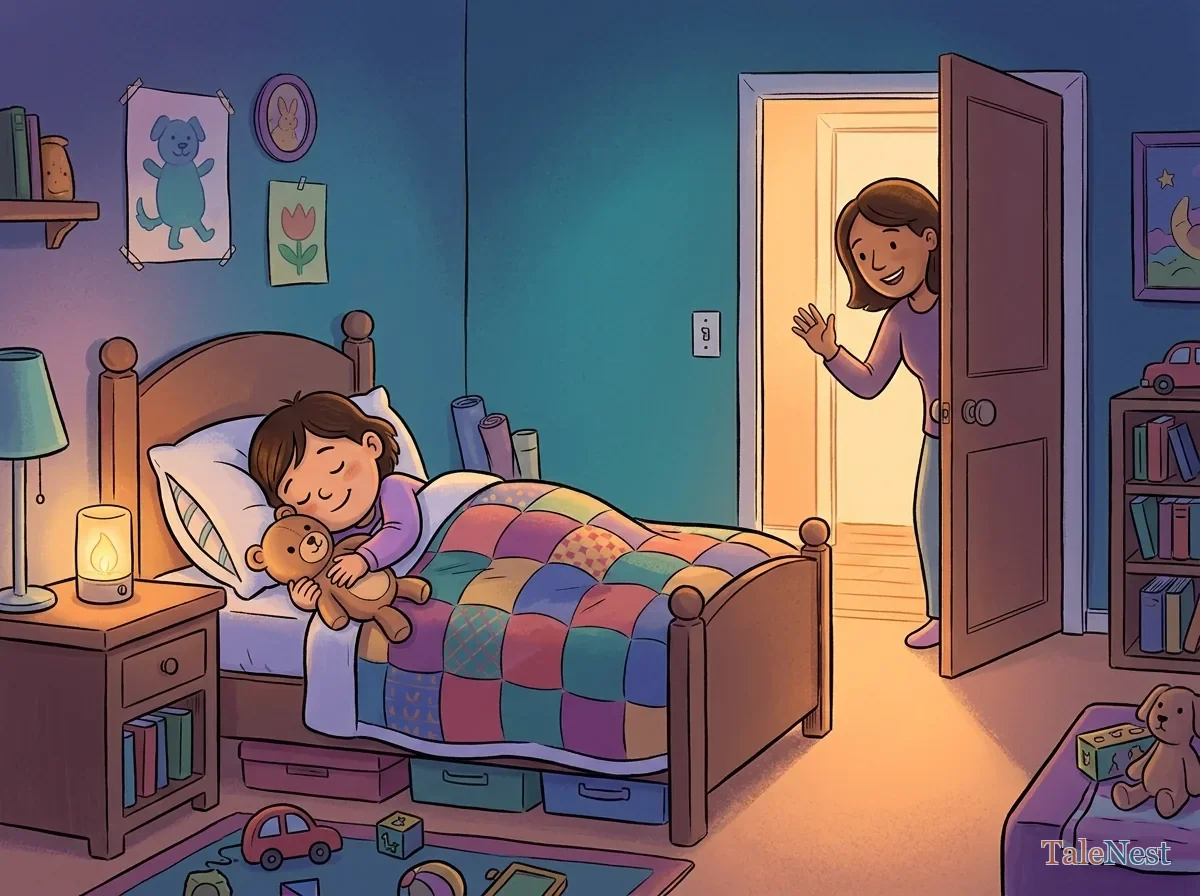
Notice larger changes in their world. Stress from outside can show up as fear of the dark. The birth of a sibling, the loss of someone loved, tension between parents, or a move to a new home can all weigh on a child and emerge at night, when distractions are gone and the house is quiet. During the day a child may manage these feelings admirably, but bedtime removes the busy routines that kept them at bay. If the fear appears suddenly, or seems out of proportion for your child's age, take a moment to consider what else has changed recently and whether they might need a little extra reassurance.
Make bedtime a happy, calm affair. Before your child goes to sleep, aim for a peaceful atmosphere around them. If they like watching television first, choose something gentle, with a positive theme and pleasant images, and appropriate for their age. Reading a story with a happy ending works even better, ideally one without frightening elements such as orphaned children, wild animals, or wicked witches. Singing a short song as part of the bedtime routine is another simple and surprisingly effective way to help them relax.
Offer company so they feel secure. Staying with your child for a few minutes while they settle, and leaving them with a favorite stuffed toy or doll, can make an enormous difference to how safe they feel. Just as important, go to them when they call. Answering calmly and reliably teaches them that a parent is close by whenever they are needed, so they do not feel alone and abandoned in the dark.
Fear of the dark is a normal part of preschool imagination; ease it gradually with gentle lighting, a calm bedtime routine, and a reassuring parental presence.