How to Help Kids Set Goals (and Actually Stick With Them)
Every parent knows the frustration of watching a child give up. Here is how to help your kid set realistic goals, make a plan, and build lasting motivation.
This guide offers general information for parents and carers. It is not medical, psychological or developmental advice; ask a qualified professional about your own child.
Few things test a parent's patience like watching a child shrug off a goal they once seemed excited about. Whether it is finishing a school project, sticking with a sport, or finally learning a few chords on the guitar, the effort never quite happens. It is tempting to conclude that the child simply does not care. More often, they have never been taught how to set a goal in the first place, and that is a skill any parent can help them build. Learning to choose, plan for, and pursue a target is the real first step toward ever reaching it.
The place to begin is with goals the child chooses, not goals you hand them. A target imposed from above rarely feels like their own, so the motivation fizzles the moment your back is turned. Sit down together and ask what they would actually like to accomplish. Then talk through what it would take to get there. Adults can break a big aim into neat, manageable steps almost without thinking; to a child, that same aim can look like a mountain they will never climb. That gap is where most well-meant goals quietly fall apart.
That is why the first goals should be realistic and reachable over a reasonable stretch of time, neither a one-day wonder nor a distant dream. Just as important, they should be divisible into smaller milestones along the way. A child who wants to read a whole book, for instance, can treat each chapter as a short-term win. Every chapter finished is a little notch of progress that keeps the larger goal feeling possible. Early success matters a great deal: the confidence a child gains from reaching one goal makes them far more willing to set a bolder one next time.
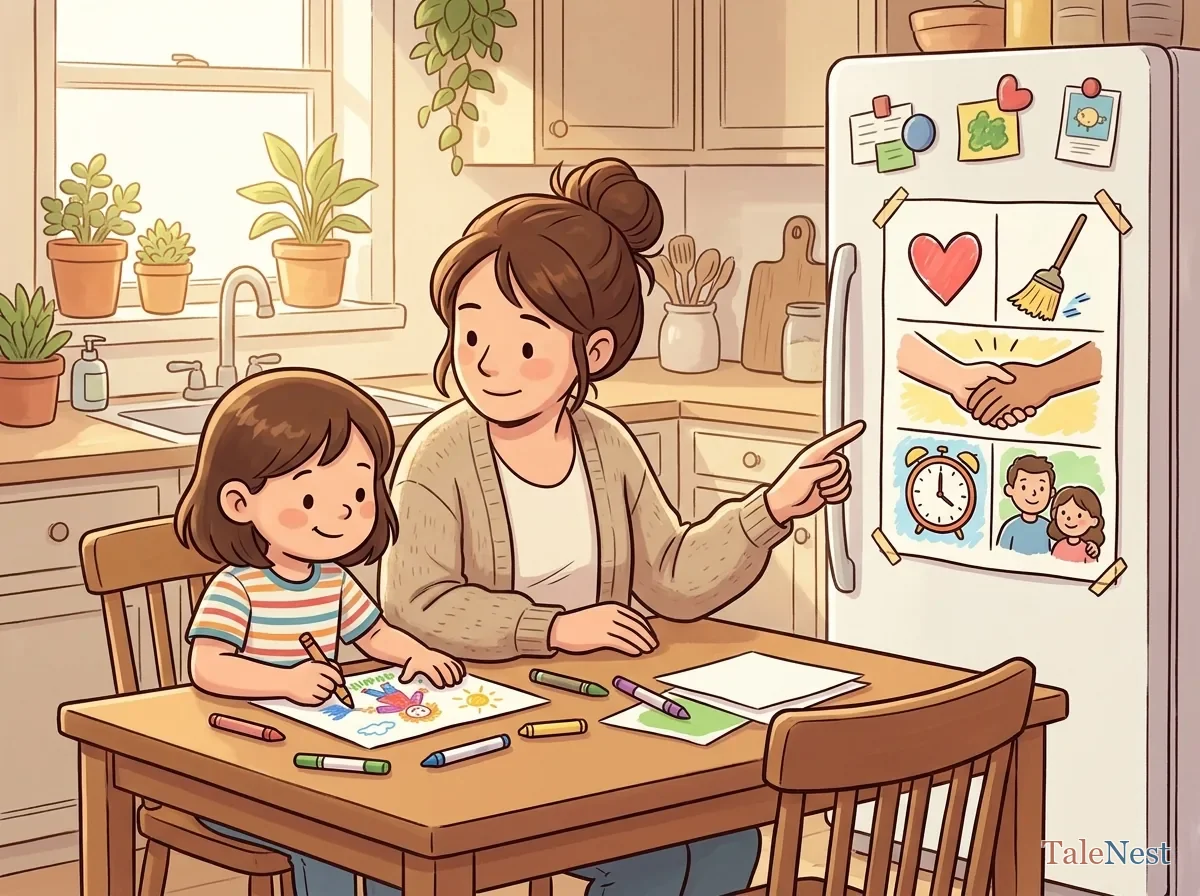
Kids also tend to underestimate how hard a goal will be. They want the result, but many do not yet have the habit of mapping out the steps that actually produce it. So they chase the quickest satisfaction available and feel frustrated or defeated when the outcome does not arrive fast. The fix is concrete. Help your child write down a plan that spells out exactly what needs to happen and in what order. A written plan turns a vague wish into something they can follow and, just as usefully, something they can look back on to see how far they have come.
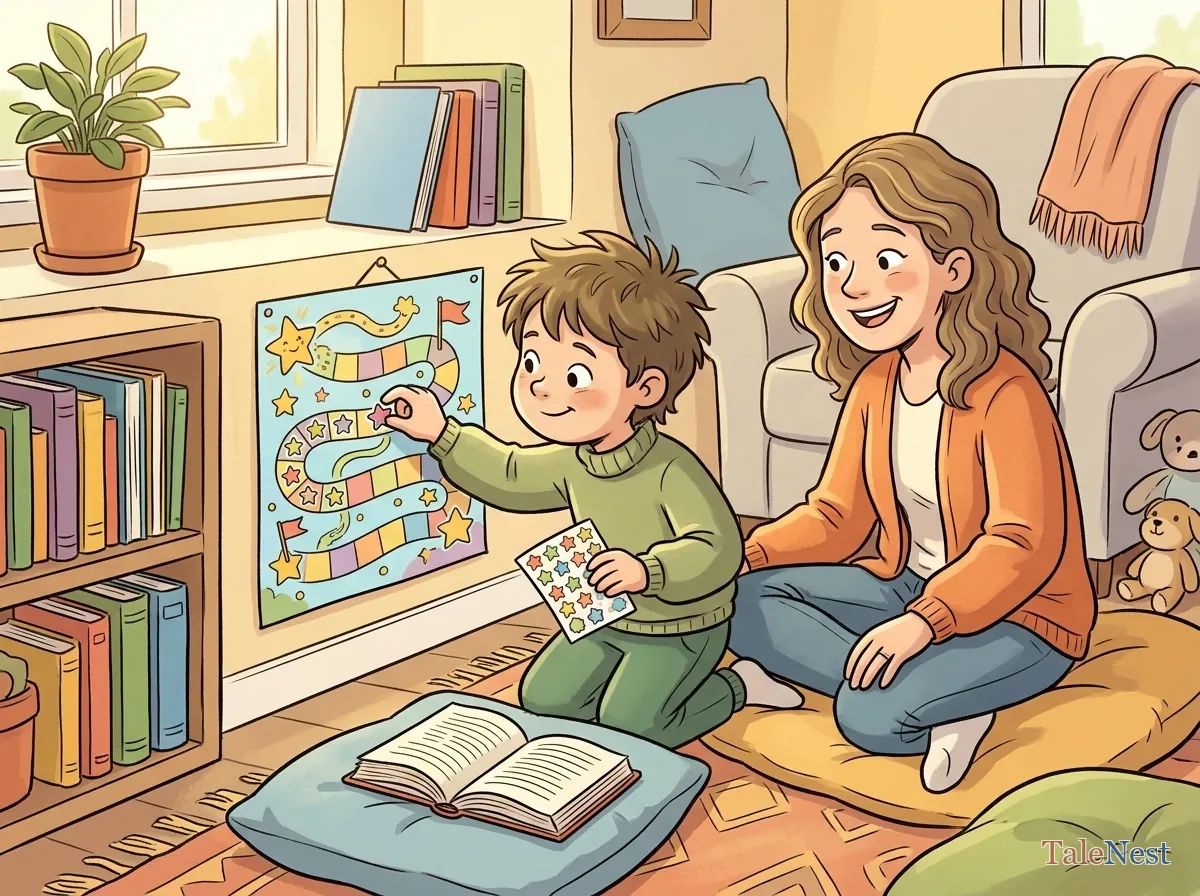
A child is far more likely to keep going when they had a hand in choosing the goal. That sense of ownership turns the task into their project rather than yours. Alongside it, steady, genuine encouragement does the heavy lifting. Praise the effort and the persistence, not just the result, and you help build the self-discipline that makes goal-setting a lifelong habit. It is the small, repeated acknowledgments, the quiet reminder that you stuck with that even when it got hard, that teach a child to trust their own follow-through.
Just as important is what you avoid. Threats and bribes may produce short-term compliance, but they quietly crowd out the very thing you are trying to grow: the child's own reason for caring. Punishing a poor test score, or offering money or a toy for good grades, teaches the wrong lesson. The reward becomes the whole point, or the child works from fear, eager to please a parent or teacher rather than to satisfy themselves. Neither path builds the lasting drive that carries someone through genuinely hard work.
None of this happens in a five-minute conversation. It asks you to slow down and actually sit with your child, to help them name goals that are meaningful and within reach. It is patient, sometimes effortful work, but few investments pay off more richly. A child who learns to set and pursue their own aims grows more independent and more sure of themselves. They discover that the world is something they can explore on their own terms and, slowly, that there is a place in it they can call their own.
Children are most likely to reach goals they help choose, break into small steps, and pursue for the satisfaction of learning rather than a reward.