Raising Kids Who Respect Rules, and the People Behind Them
Respect for authority starts at home. Practical ways to teach your child why rules matter, how to follow them, and how to disagree well.
This guide offers general information for parents and carers. It is not medical, psychological or developmental advice; ask a qualified professional about your own child.
The surest way to raise a child who respects authority is to show respect for it yourself. Yet modeling alone is not always enough. Children see and hear far more than we realize, much of it stripped of context, and it can leave them confused. Even at home, without meaning to, parents sometimes speak dismissively about rules, officials, or people in charge. Those small moments register. If the grown-ups they trust treat authority as something to mock or dodge, children quietly take note and file it away.
There is a broad cultural habit of resisting and challenging authority, even of breaking laws people disagree with. Whatever you think of that impulse, children still need to learn respect for rules, both to avoid everyday disciplinary trouble and, more importantly, to steer clear of serious problems later on. Kids do not draw the fine distinctions adults do. A casual disrespect for one authority figure can spill over into the most basic situations, at school, in public, or at home, before anyone sees it coming.
So what can parents actually do to teach their children to respect the law and the people who uphold it?
Teach sound principles. Living together in a community rests on a shared commitment to the rule of law, a idea that may sound too lofty to say aloud to a child but is worth being clear about in your own mind. Help your child understand what it means to live in society: laws are not made on a whim, but by representatives chosen by the people. Rules, limits, and obligations exist to serve the common good, not to make life difficult for the sake of it. A child who grasps that sees a rule as a promise everyone keeps, rather than an arbitrary command.
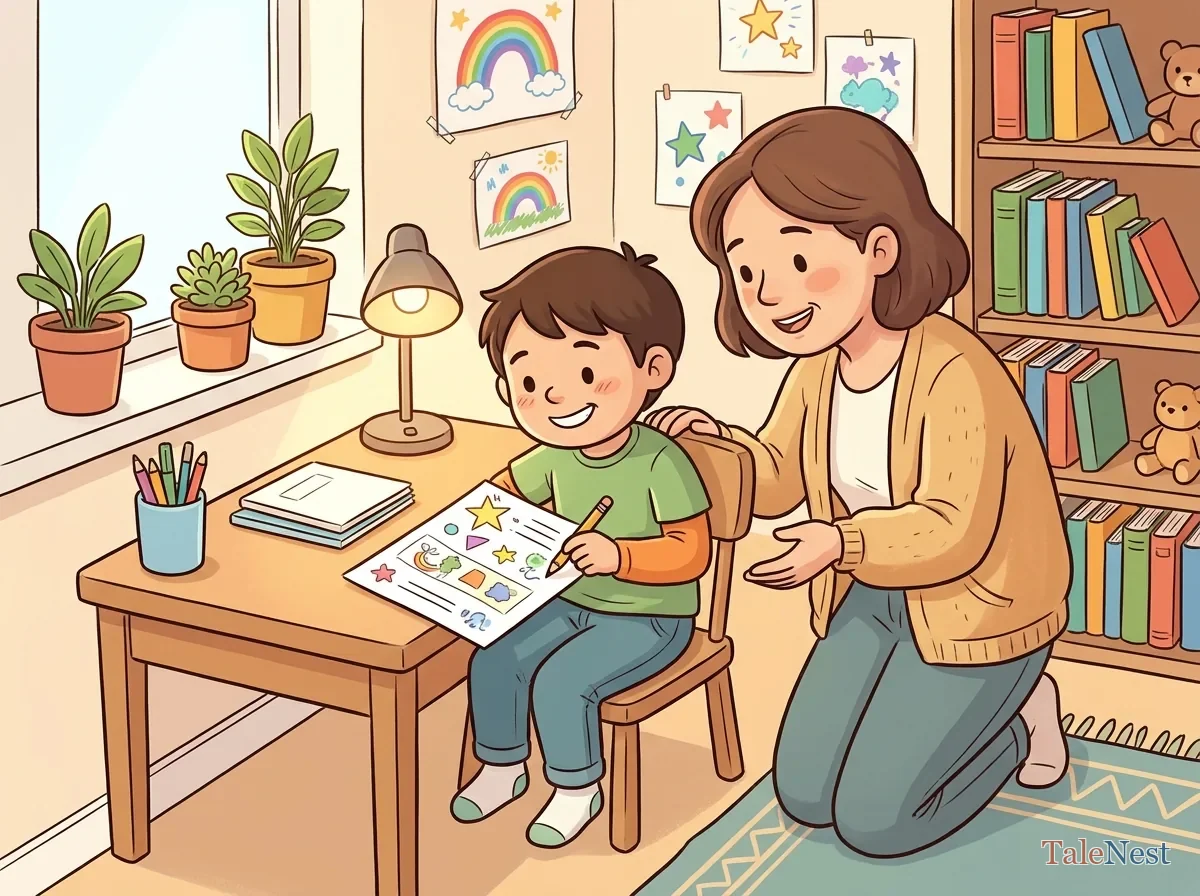
Teach obedience at home first. This is where it starts. If children are allowed to do exactly as they please and no one bothers to check whether the rules are followed, they are learning from a young age to challenge authority. The goal is not blind, resentful obedience but willing cooperation, and above all understanding. Explain why things are the way they are. Where you can, talk it through and even let your child help shape the rules. A rule they had a hand in making is a rule they are far more likely to honor.
Be consistent. If rules can be broken with no consequence, you are teaching your child that authority can be ignored. Respect is not demanded; it is earned and kept through the steady, predictable way rules are applied. Children need to learn what actually happens when a rule is broken. Shielding them from every consequence does them no favor at all. It simply teaches them that rules are negotiable and that, with the right timing, they can get away with anything.
Create positive encounters with authority figures. Many parents unintentionally make their children afraid of police officers by the tone they use when speaking about them. Children should grow up understanding that authority is not a monster to run from. For most kids, an officer on the street is the most visible face of authority they will meet. So when one is nearby, use the moment: point out the helpful work they do, and if the chance arises, walk over and say hello. A friendly face now prevents a fearful one later.
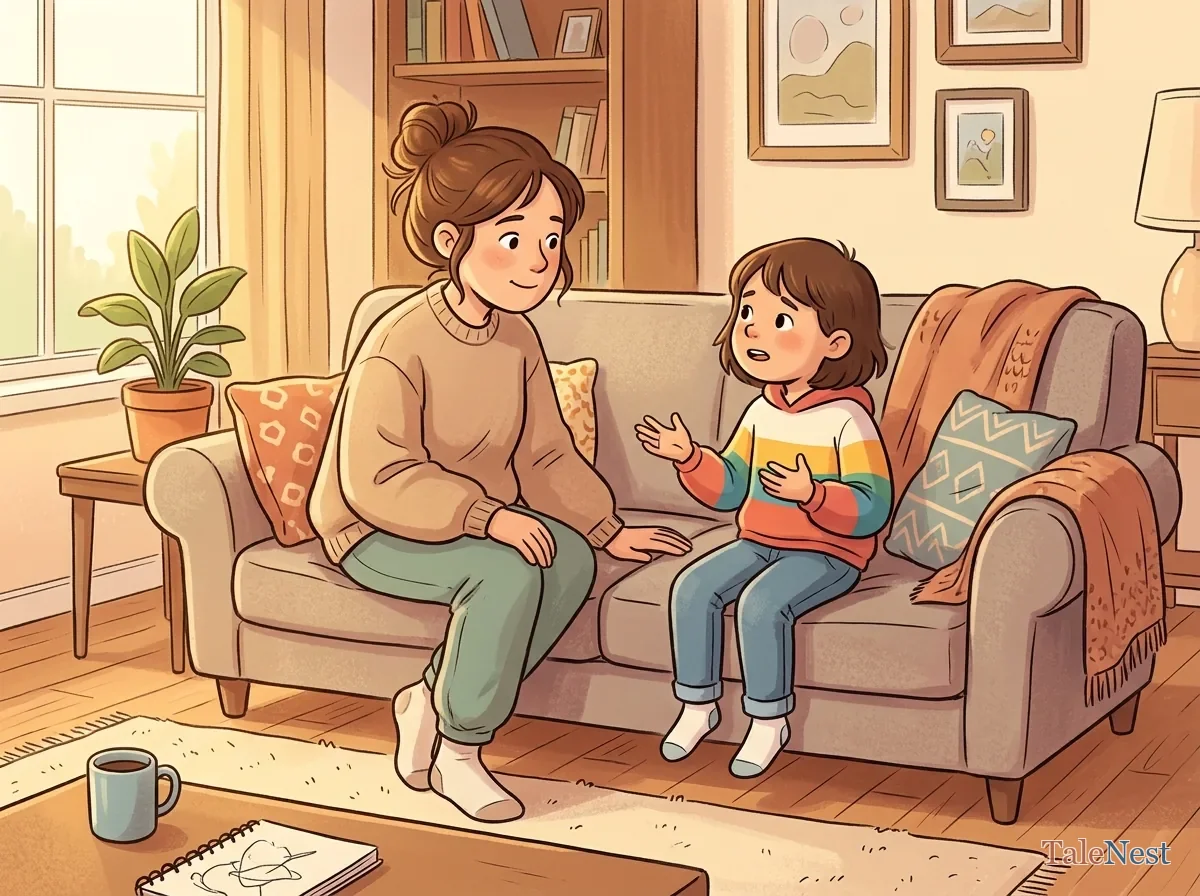
Talk openly about disrespect when you see it. Children are not always aware when respect is missing, whether they are the ones showing it or they are watching someone else. When it happens, name the situation calmly, explain why it is wrong, and offer a better alternative. Over time, these conversations build a child who can question things thoughtfully without sliding into contempt, and who understands that respect and honesty can comfortably coexist.
Kids learn to respect authority when adults model it, explain the reasons behind rules, follow through consistently, and treat authority figures as helpers rather than threats.