How to Read With Your Child at Every Age
From babies to young teenagers, reading together changes with your child's stage. These age-by-age strategies keep the habit alive and make books a pleasure.
This guide offers general information for parents and carers. It is not medical, psychological or developmental advice; ask a qualified professional about your own child.
Ask a group of child-development experts what one habit most helps a child grow, and reading together will be near the top of nearly every list. The benefits reach far beyond learning to decode words. Shared reading supports emotional and psychological growth, lets children experience feelings and sensations from a safe distance, and helps them make sense of the world and find their place in it. It is one of the simplest gifts you can give, and it can begin in the earliest weeks of life.
The way you read together should change as your child grows, so the advice below is grouped by age: birth to three, three to six, and six to twelve. Treat the ages as guides rather than rules, and follow your child's lead.
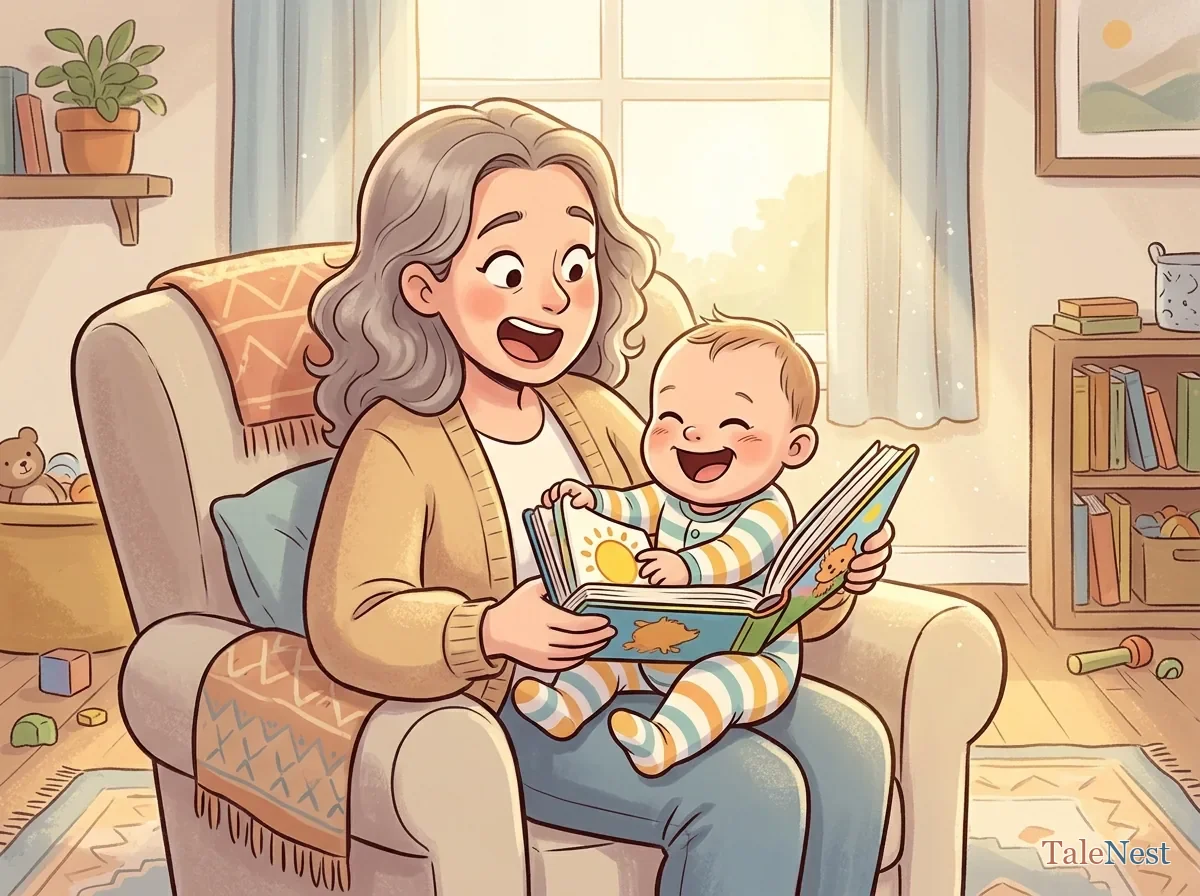
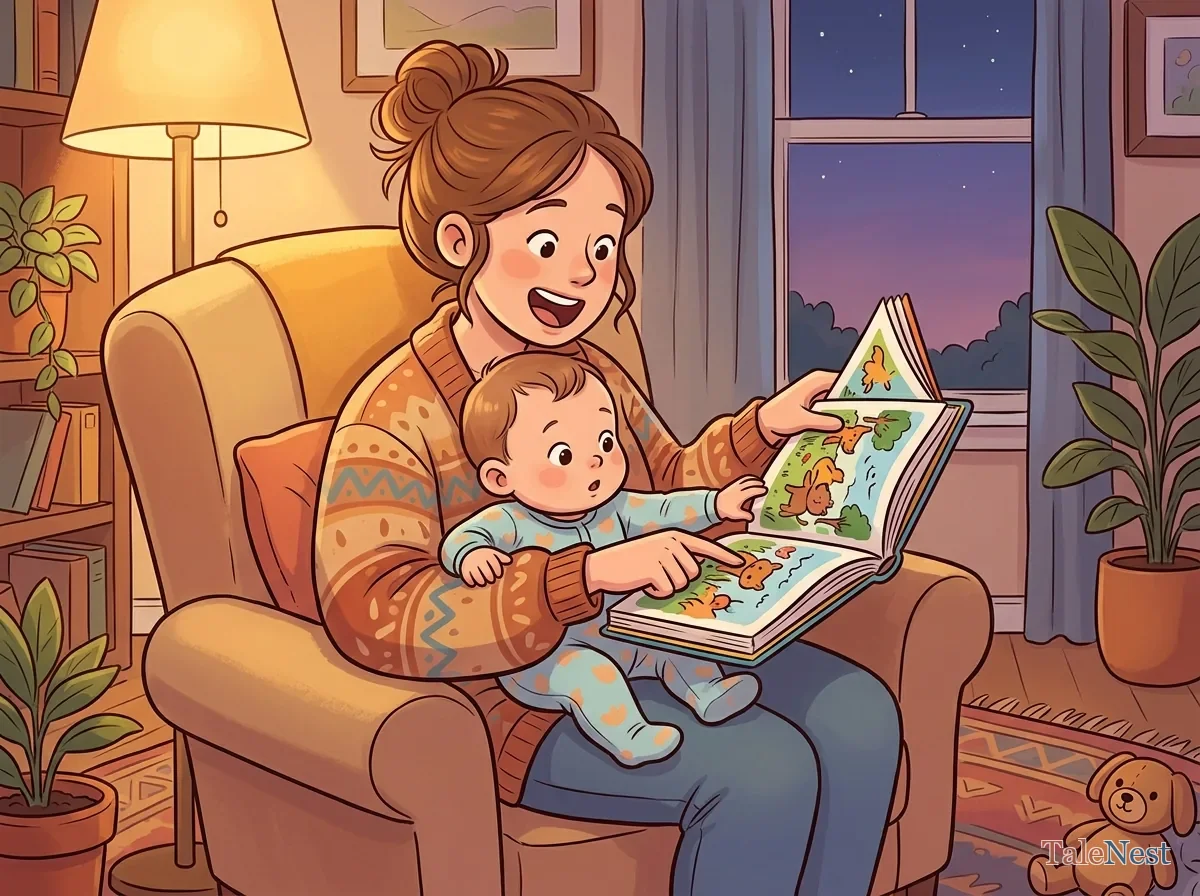
Birth to three. First, make reading a daily routine, and the easiest slot to claim is just before sleep. Fifteen minutes a day is plenty. Bring the story to life with sound effects: change your voice for different characters, add the occasional 'whoosh' or 'bang', and exaggerate the action in the telling. This holds attention far better than a flat read. Pause over the illustrations, too, children's books are full of detail worth noticing, and stopping to look is enriching even when your child cannot yet speak. As you read, point at the words so that, little by little, their shapes become familiar. And know when to stop: if interest fades, close the book. The point is enjoyment, not endurance, and their attention span will stretch naturally over time. Finally, hold your child while you read. Babies and toddlers adore being cuddled, and from your arms they can reach the book, grab it, touch it, and even turn the pages.
Ages three to six. Tell your child outright that you like reading with them; hearing it strengthens their own interest. Keep books within easy reach so they can pick one up whenever the mood strikes, not only at the official story time, they may bring one to you or browse happily alone. Let them choose what to read: the more varied the books around them, the better their chances of finding something that genuinely grabs them. Expect to read the same favourite again and again, and do not fight it. Repetition is how children memorise a story, and retelling it from the pictures builds language, comprehension, and imagination. Go beyond the text as well: examine the cover, look at how the pages are numbered, and talk about who wrote the book. The words on the page are a chance to explore how spelling works, how words are read, and what the letters are called. Chat about punctuation too, what a full stop, comma, question mark, or exclamation mark actually does. Ask questions as you go and invite your child to ask you some; curiosity and a questioning mind grow here. Finally, link books to special occasions, giving them as gifts or rewards for something important.
Ages six to twelve. Once a child finishes a book they loved, suggest another in a similar vein; a trip to the library or bookshop makes this feel like an adventure rather than an assignment. When they can read themselves, take turns reading aloud so they get to practise while still learning from hearing you. Look for chances to nudge them toward a book: before bed, after lunch, around homework time, or while waiting somewhere, almost any moment works, especially if you can share it. Help them connect what they read to real life, because every story, whatever its genre, says something about daily experiences, relationships, or how things work, and that connection feeds curiosity. Offer a range of reading matter, novels, magazines, comics, short stories, so they can discover what they truly enjoy; all of it counts. A last, slightly sneaky trick: switch on subtitles when you watch television together. It is reading practice with the extra challenge of keeping up with the speed of speech.
Match your reading habits to your child's age, from sound effects and cuddles for babies to shared reading and choice for older kids.