Why Reading Aloud to Your Baby Matters
Reading to babies shapes language, learning, and emotional growth long before they can speak. Starting early builds the foundations for confident reading later.
This guide offers general information for parents and carers. It is not medical, psychological or developmental advice; ask a qualified professional about your own child.
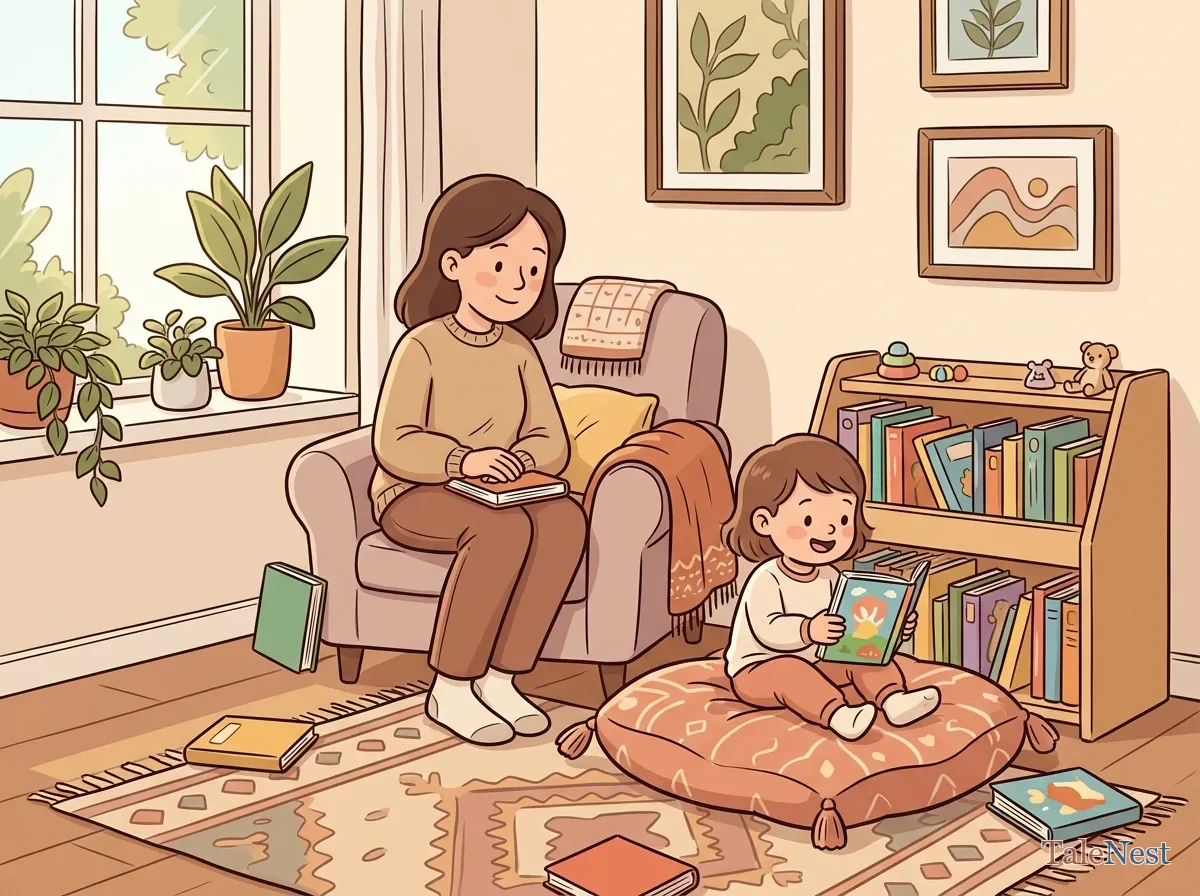
Reading does far more than fill the quiet minutes before bed. It supports a child's emotional and psychological development and helps them grow and mature, and it feeds language skills from the very first months. The catch is that babies cannot read to themselves. Every story they meet arrives through someone else, a parent, a teacher, a grandparent, which is why reading aloud is not a nice extra but the main way very young children access language and narrative.
Research backs this up again and again. Reading and talking to babies gives their developing brains a powerful boost, and the benefits grow larger the earlier you begin. Start at birth and your child is likely to pick up vocabulary faster, understand more, and exercise the brain circuitry involved in language during its most active window, roughly ten to thirty months of age. In other words, the earlier the exposure, the stronger the language skills that follow. The mechanism is simple: every word a baby hears is a piece of data the brain files away, and a language-rich environment simply gives it more to work with.
Experts suggest that the first encounters with books should lean toward rhythmic, playful language: rhymes, chants, and word games. This kind of speaking gives babies a relaxed and enjoyable experience of the sounds of language, so they take it on board more easily later. It also helps them grasp meaning and absorb the deeper patterns of their first language, all through pleasure rather than effort.
And pleasure is exactly the point. Tiny children love the bounce and rhythm of poetic language, so rhymes and games feel like play. They are not sitting through a lesson; they are enjoying the music of words, and the learning happens almost by the way. That is why the goofiest, most rhythmic reading styles are often the ones children remember and ask for again.
Esther Serrano, a primary-care paediatrician, puts it well: this kind of early exposure leads to gradual, confident, happy literacy. Before the age of three, she notes, children are far more interested in how words sound than in what they mean. That is useful in its own right, because it helps them absorb language and its pauses and silences, and on a cognitive level it helps them build links between their own experience and the world around them. In practice, that means the silly voices and repeated rhymes you might feel self-conscious about are doing serious developmental work.
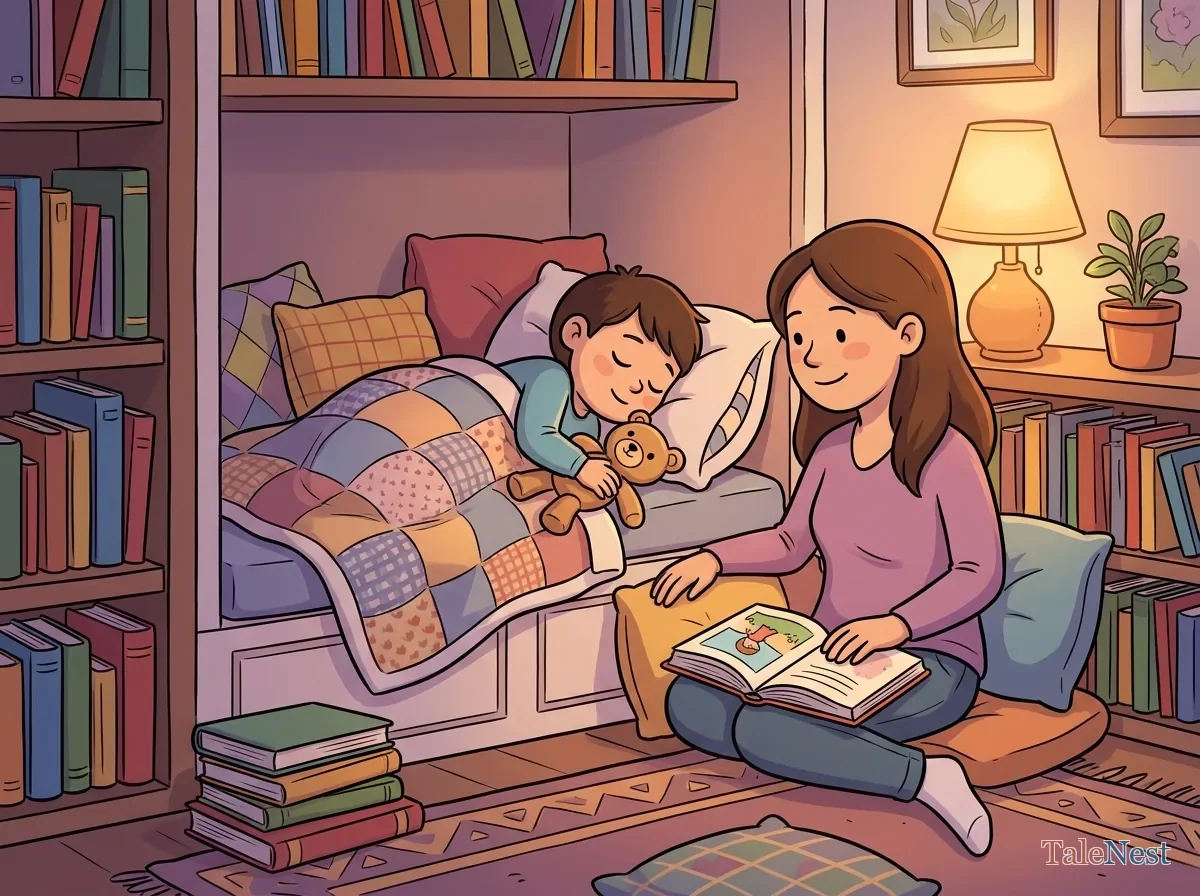
Her advice is simple: introduce books in infancy and keep reading aloud even before a child can walk. It is well established, she says, that children who have been read to go on to learn to read more easily. A few minutes a day in the early months is an investment that pays off for years.
You do not have to do it with a plain paperback, either. Children's publishing offers all sorts of extras that make shared reading richer: pop-up pages that build visual perception, textured panels to touch, and books that play sounds. Technology helps too, thoughtfully chosen apps can add practical, stimulating ways to enjoy a story together. Pick whatever fits your child and your routine; the tool matters far less than the time you spend. A worn favourite book read twenty times will teach more than a glossy app used once, so follow your child's enthusiasm above all.
One warning worth heeding: reading aloud is a habit many families quietly drop once children learn to read for themselves. That is precisely the moment to keep it up, not abandon it. Continuing to share books offers companionship and support, remains genuinely useful to a growing reader, and lays the strongest possible foundation for a lifelong reading habit.
Reading aloud from birth, with rhymes and rhythm, builds the language foundations children need to become confident readers.