Raising Honest Kids: What Really Teaches Them to Tell the Truth
Children start out telling the truth without thinking. Here's why they begin to lie—and the everyday habits that teach honesty better than any lecture.
This guide offers general information for parents and carers. It is not medical, psychological or developmental advice; ask a qualified professional about your own child.
Lying is so woven into adult life that we barely notice it, yet very young children seem incapable of it. When they first learn to talk, they can only say what they believe to be true. So when does a child discover the need to lie? Understanding that moment is the first step toward raising a child who chooses honesty.
Children become dishonest for a handful of reasons. The main one is probably that they learn a lie can help them escape the consequences of something they did. They may also start lying to win the approval of others, or because they discover it is a handy way to get the reward they are after. A child might say they finished their vegetables, blame a sibling for a mess, or claim they have already bathed, all because the truth seems likely to cost them something. All of these reasons point to the same conclusion: children learn dishonesty from the attitudes of the people around them, especially adults. In other words, we should not be pointing the finger at the child so quickly; more often than not, the behaviour was learned from us.
What children need is to be taught why honesty matters, with warmth, without threats, and with real respect for the truth. A child who lies regularly is often a child who does not trust the people around them, and there is no greater failure in education than a child who cannot trust their own parents or teachers. Trust is the soil in which honesty grows. If the home feels like a place where telling the truth means punishment or shame, a child will learn to hide rather than open up. That is why reacting to a confession with shouting is so damaging: it teaches the child that honesty is dangerous.
There are concrete things we can do to teach children to be honest, and they begin with talking about it early. As soon as you notice the first signs of dishonesty, start the conversation. Explain, in terms a child can grasp, how telling the truth can actually help them solve the problem they are trying to avoid. Make it clear that the truth is safer than a cover-up, and work together on what to do next rather than focusing only on blame.
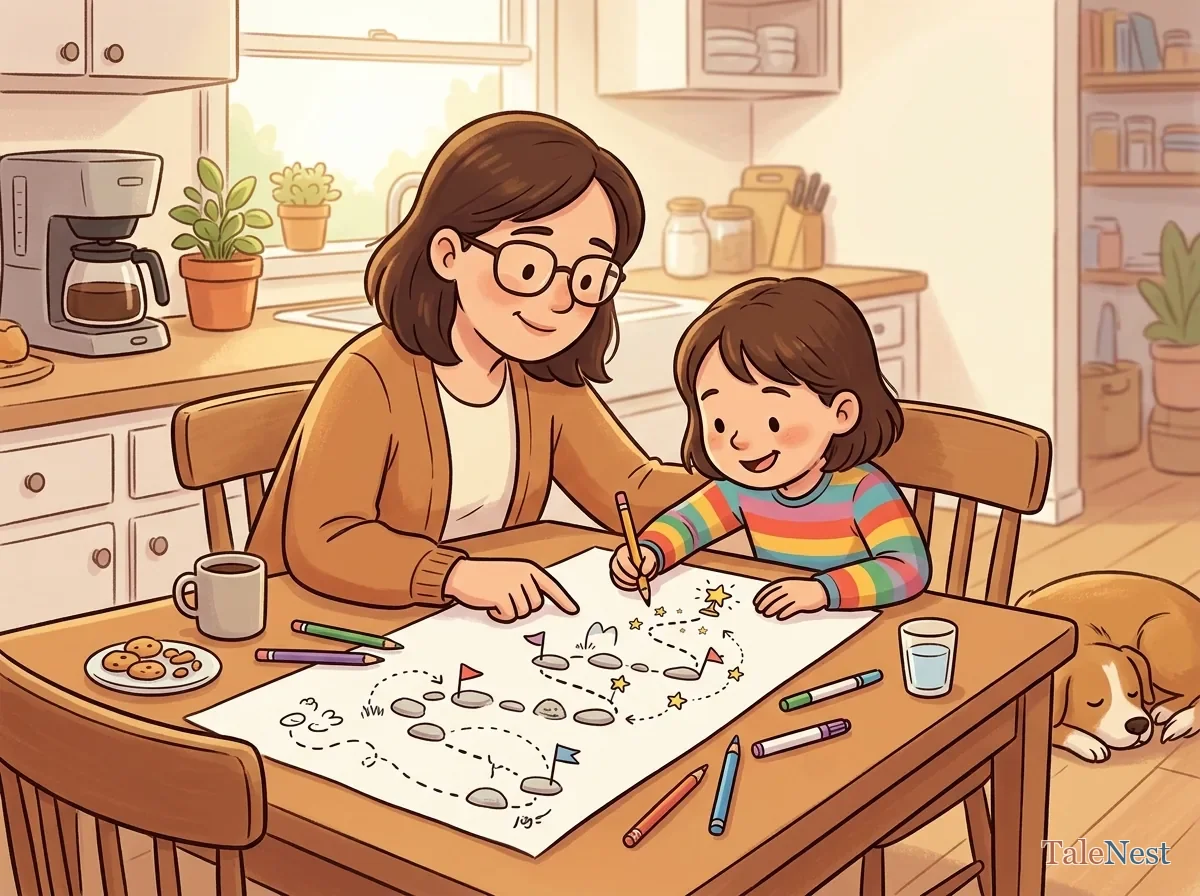
Just as important is being an honest model yourself. If children watch adults tell lies, hide things, or cover for them whatever the reason, they quickly learn that honesty is flexible and that anything is fine as long as you are not caught. The same goes for making a child your accomplice, even if you present it as a harmless game. Closely tied to this is keeping your word. If you want children to understand the value of promises, and to keep their own, you have to keep yours first. When a child breaks a promise, do not simply let it slide; talk about why it matters and what it means to someone who was counting on them.
Stories are another powerful tool. Children often learn best through the experiences of others, real or invented, because a story lets them see the consequences of dishonesty from a safe distance. Use tales, fables, and family stories to highlight why honesty matters and what tends to happen when it is missing. Finally, reinforce honesty when you see it. When a child chooses to tell the truth, notice it and praise the choice. This does not mean that dishonesty should never have consequences; the point of any consequence should be to correct behaviour. If, the next time around, the child chooses honesty, that is a good sign they have understood what was wrong, and a moment worth acknowledging.
Children learn honesty from the adults around them, so model truthfulness, keep your promises, and reinforce truth-telling when you see it.