How to Teach Kids to Win—and Lose—with Grace
Letting children win feels kind, but it can backfire. Here's how to teach them that real victory comes from effort, and losing is a chance to grow.
This guide offers general information for parents and carers. It is not medical, psychological or developmental advice; ask a qualified professional about your own child.
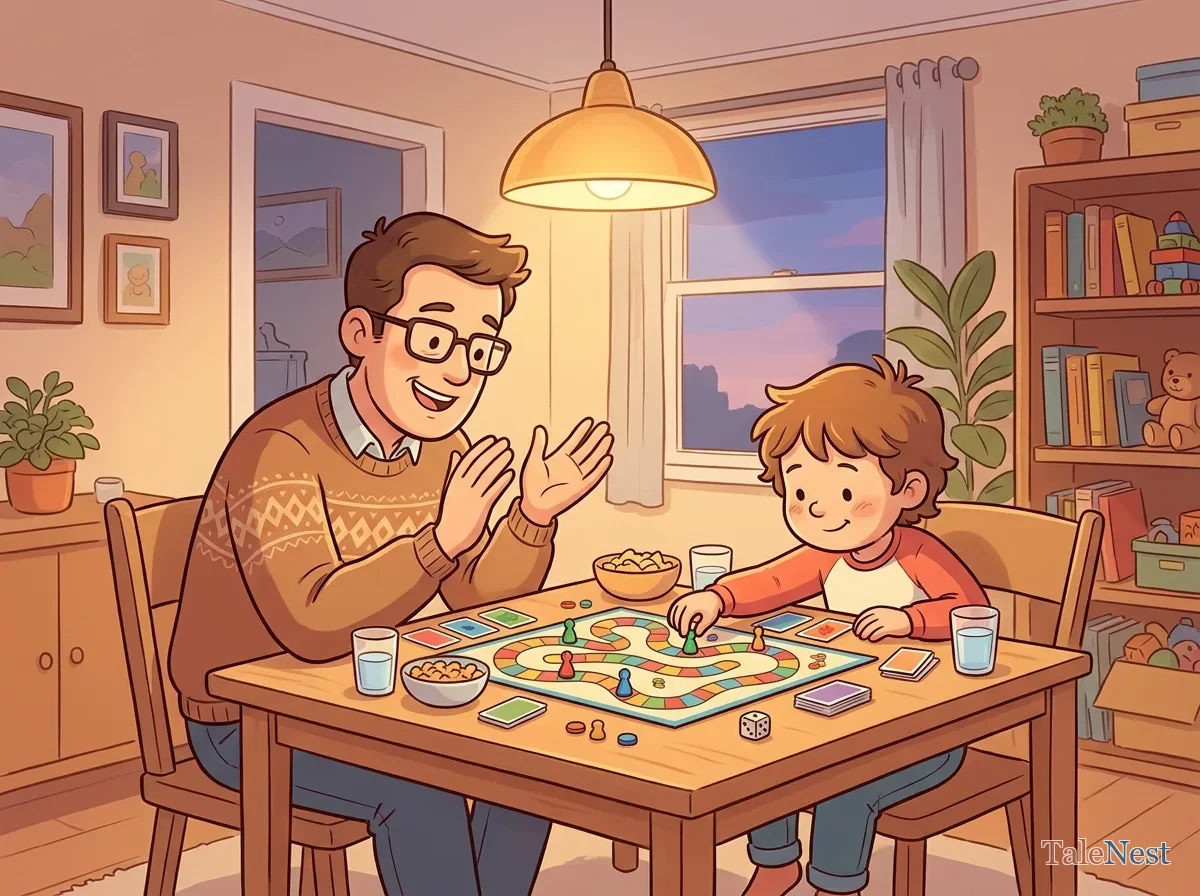
When we sit down to play with a child, most of us adults quietly fall into the habit of letting them win. Our intentions are the best possible: we want to encourage them, make the game fun, and give them the boost of feeling important and capable. The problem is that children get used to winning far sooner than we expect. Before long, the very thing we did to spare them the frustration of losing is the thing that now feeds their frustration. A child who has never really tasted defeat has had no chance to practise handling it, so the first genuine loss can feel like a disaster rather than a normal part of the game.
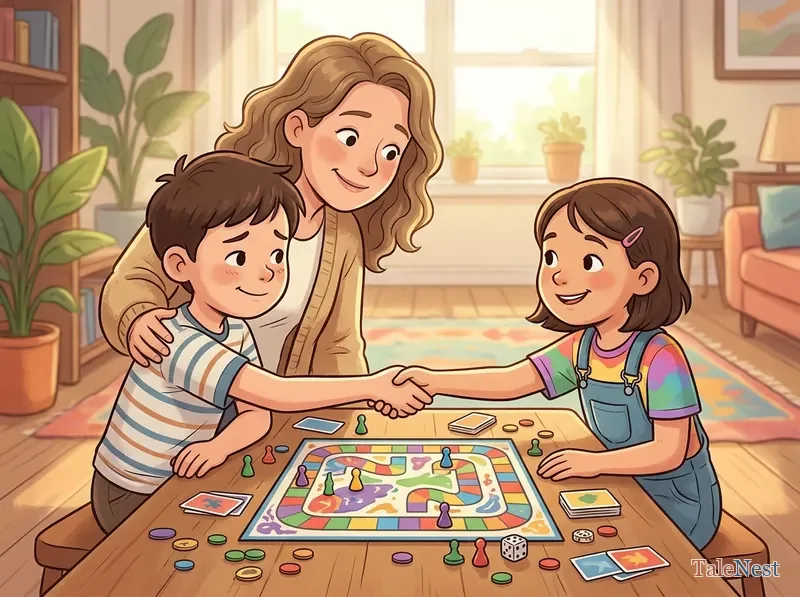
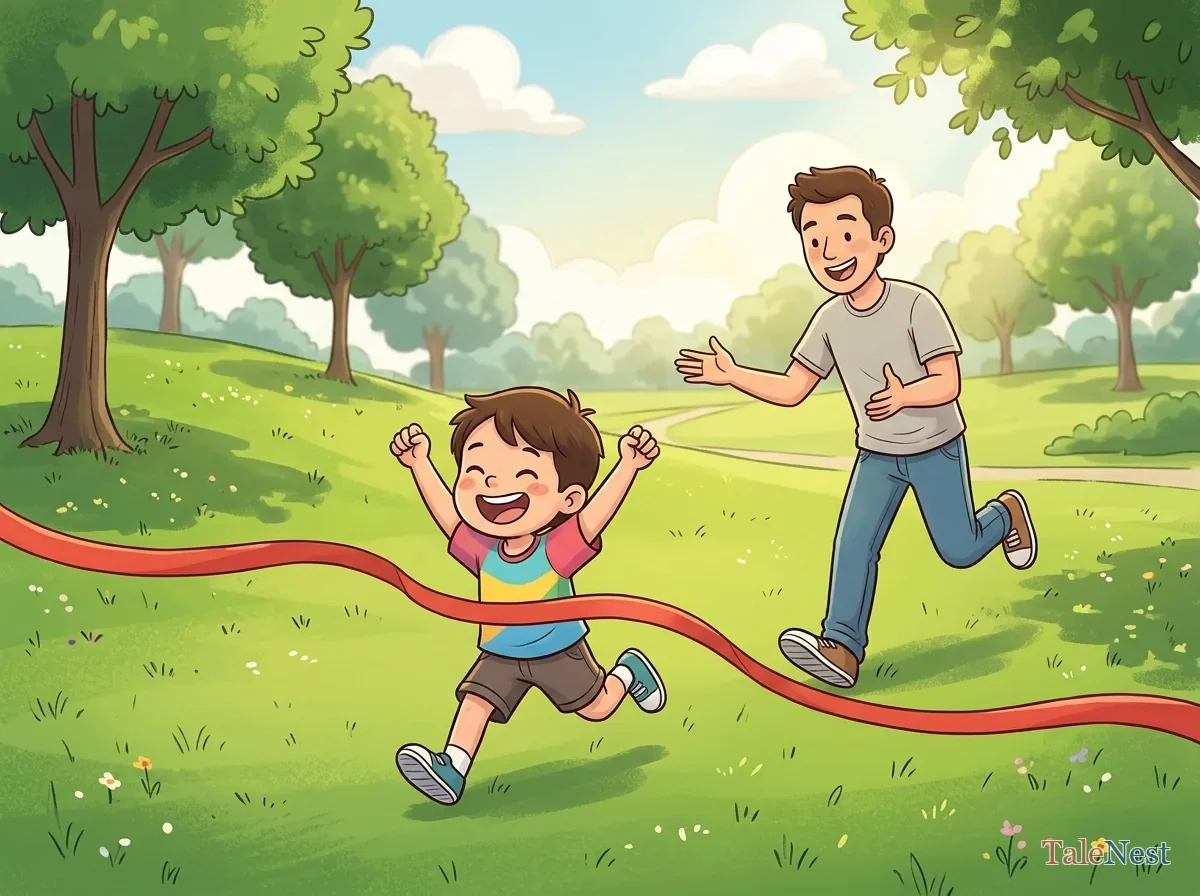
Winning calls for effort, and we all like to win, there is nothing wrong with that. But we live in a remarkably competitive world, surrounded by messages that urge us to be the best, and the plain truth is that we cannot all finish first. Children do not fully understand this, yet they pick up on the competitive mood everywhere around them, at school, on screens, even in a simple race in the park. Worse still, that pressure reaches them directly whether we want it to or not. That is why it pays to start early and help them value achievement for the right reason: not as a way of beating other people, but as a chance to outdo themselves. When they win, even in a game we chose to let them win, encourage them to keep stretching, and enjoy the moment together. Celebrate the effort and the progress, not the fact that they were 'better' than someone else. The child who worked harder than last time deserves the loudest cheer.
Losing is an opportunity to improve, to learn, and to get to know yourself a little better. For a child, though, it almost never feels that way; it feels like plain frustration. Helping them work through that frustration is a genuine part of their education. One practical lever is to manage how often we let them win. Stop letting them win when you sense they are not really trying, or when you know they could give a little more of themselves. But do not swing to the other extreme either: leave plenty of room for them to enjoy victory, what you might call the pedagogy of success. When a child tastes success, they want more of it, and that wanting is exactly what pushes them to try again. Think of it as a gentle rhythm, effort, setback, another try, and finally a win they earned themselves.
It is completely normal for a child to get angry when they lose, especially once they have begun to believe that they can win. Almost every parent passes through this stage, and it is best met with calm rather than alarm. When a meltdown starts, the first move is to soothe them and set the game aside until they have settled, and if needed, until another day. A useful alternative is to switch to a different game, one that is simpler and that the child can win through their own effort, so they get to feel successful again. The crucial condition is that they earn that win on their own. Handing them a victory just to stop the tears undoes everything the earlier moments were teaching. Stay steady, and they will learn that losing is survivable.
These little moments add up. A child who grows up understanding that winning comes from effort and that losing is not the end of the world becomes someone who can take both in stride. The aim is not to make them feel good all the time; it is to give them the tools to cope when things go badly and the motivation to keep growing when they go well. Be patient with the process: learning to lose gracefully is a skill that takes many games and many small disappointments to build, and your steady, encouraging presence is what makes those moments useful rather than upsetting.
Celebrate effort rather than first place, let children lose sometimes, and help them see every setback as a chance to improve.