How to Nurture Your Child's Creativity at Home
Play and imagination are powerful ways to learn at any age. Simple, practical ways to keep creativity alive, from math games to free, unstructured play.
This guide offers general information for parents and carers. It is not medical, psychological or developmental advice; ask a qualified professional about your own child.
Play and imagination-based activities are among the most effective ways children learn. We tend to associate this with the earliest years, but it works at any age. Many educators find that kids and teenagers absorb information far more readily when they are enjoying what they are doing. There is research behind that instinct too: people take things in better when they are happy and relaxed. A stressed, bored child is a closed door; a curious, playful one is wide open.
Learning through play does more than deliver facts. It is also one of the best ways to strengthen creativity, and nurturing creativity matters just as much as absorbing information. Plenty of experts argue that creativity is central to both personal fulfillment and professional success in adulthood. Yet studies suggest that children's creativity has declined noticeably in recent years. Many home and school routines reward the one right answer and leave little room for imagination to wander, so the creative muscle gets less exercise than it used to.
The good news is that parents can do a great deal to reverse that trend. You do not need special equipment or a dedicated studio, just a willingness to make room for a few everyday habits.
Make math creative. Math has a reputation for being dull, but it can be turned into playful games surprisingly easily. There are far more ways to make numbers fun than a busy teacher can fit into a single lesson. Think puzzle books, mobile apps, and computer games, all of which can turn practice into play. There are math games designed for children of every age, so the trick is simply to find one that matches your child's level and let them loose on it.
Do science experiments together. Children love experiments, and with good reason. They take time and a bit of effort, and classroom limits on resources and schedules often prevent teachers from doing them as often as they would like. At home, experiments are a wonderful way to reinforce what a child is learning, feed their natural curiosity, and of course spark creativity. You do not need to spend a fortune, either. There are many books of safe, simple experiments suited to all ages, using materials you probably already have.
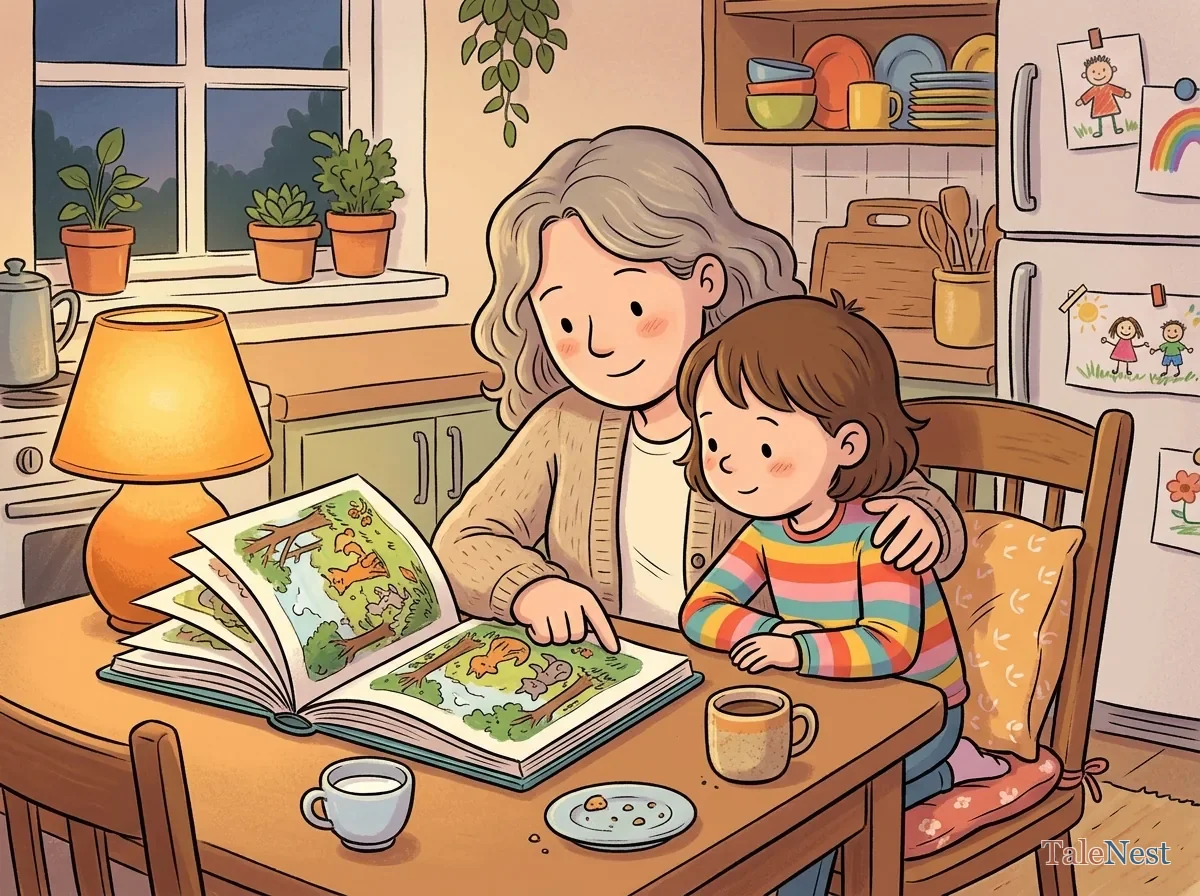
Make things by hand. Crafts are the most traditional route to creativity, and they earned that reputation honestly. A single craft project lets a child explore shape, color, texture, and problem-solving all at once. The key to making it genuinely creative is to hand over the choices. Let your child pick the materials and test alternatives. Better still, set them a small problem to solve as part of the project, such as how to make a structure stand up or how to use only what is left in the scraps box.
Stay out of the way when they write and draw. We pay far too much attention to neat handwriting and to the correct way to draw something, and that pressure can kill a child's interest in telling a story or sketching a picture. When your child is creating, whether for homework or just because the mood struck, let them feel free. Technique can come later. They will learn to write and draw more skillfully with time, but if they lose the pleasure of doing it, that interest can be very hard to win back.
Let children play alone. Structured activities are useful for some things, but they should not fill every moment. Kids need time to imagine, invent, and interact on their own terms. The trouble is that children have grown so used to being told what to do that they often do not know how to play without instructions or a companion. So lose your fear of boredom. Resist the urge to entertain them or fill the silence. Letting a child work their way out of boredom by themselves is already a big step forward in their creative development.
Creativity grows when kids learn through play, explore ideas freely without constant correction, and have regular time for unstructured, self-directed imagination.