Seven Playful Ways to Build Your Child's Language Skills
You don't need special equipment to nurture language and a love of stories. A few minutes of everyday play can strengthen literacy, creativity, and curiosity.
This guide offers general information for parents and carers. It is not medical, psychological or developmental advice; ask a qualified professional about your own child.
You do not need flashcards or a classroom to nurture a child's language. The ordinary rhythm of the day is full of chances to spark an interest in words and build the habit of reading, and the best activities cost nothing at all. A little intentional play, repeated often, can reinforce what children meet at school, deepen their understanding of stories, and feed their imagination.
Parents and carers can slip these games into moments that naturally come up, or create the moments on purpose. The goal is always the same: to strengthen early literacy, support comprehension, encourage creativity, and make stories something a child seeks out rather than sits through. None of the ideas below are fixed recipes. Adapt them to your child's age, the materials you have to hand, and their mood, and feel free to change or extend them.
Story puzzle. Cut out panels, drawings, photographs, or comic strips from newspapers and magazines, then ask your child to put the images in an order that makes a story, and to tell that story out loud. Let them help choose the pictures; a story they picked themselves is far more compelling. For a fuller activity, have them do the cutting (scissors for older children, a safer tool for little ones) and glue the images onto a sheet of paper or card to make their own picture book.
The letter notebook. Take an ordinary notebook and write one letter of the alphabet on each page, in both capital and small form. Your child's job is to hunt through newspapers and magazines for that letter, cut it out, and paste it on the page. Matching the many different shapes and fonts of the same letter sharpens recognition and helps tell them apart. You can also pre-cut the letters and let your child sort and arrange them. To finish a page, ask them to find pictures of things whose names begin with that letter.
Letter hunt. Send your child looking for objects that start with a particular sound or letter, or ask them to name the letter that a found object begins with. This works just as well at home as it does out on a walk. For a trickier version, go through the alphabet in order: you cannot name something beginning with 'b' until you have spotted something beginning with 'a'. Turning it into a race to keep the sequence going adds a delightful challenge, and sorting a group of objects alphabetically works too.
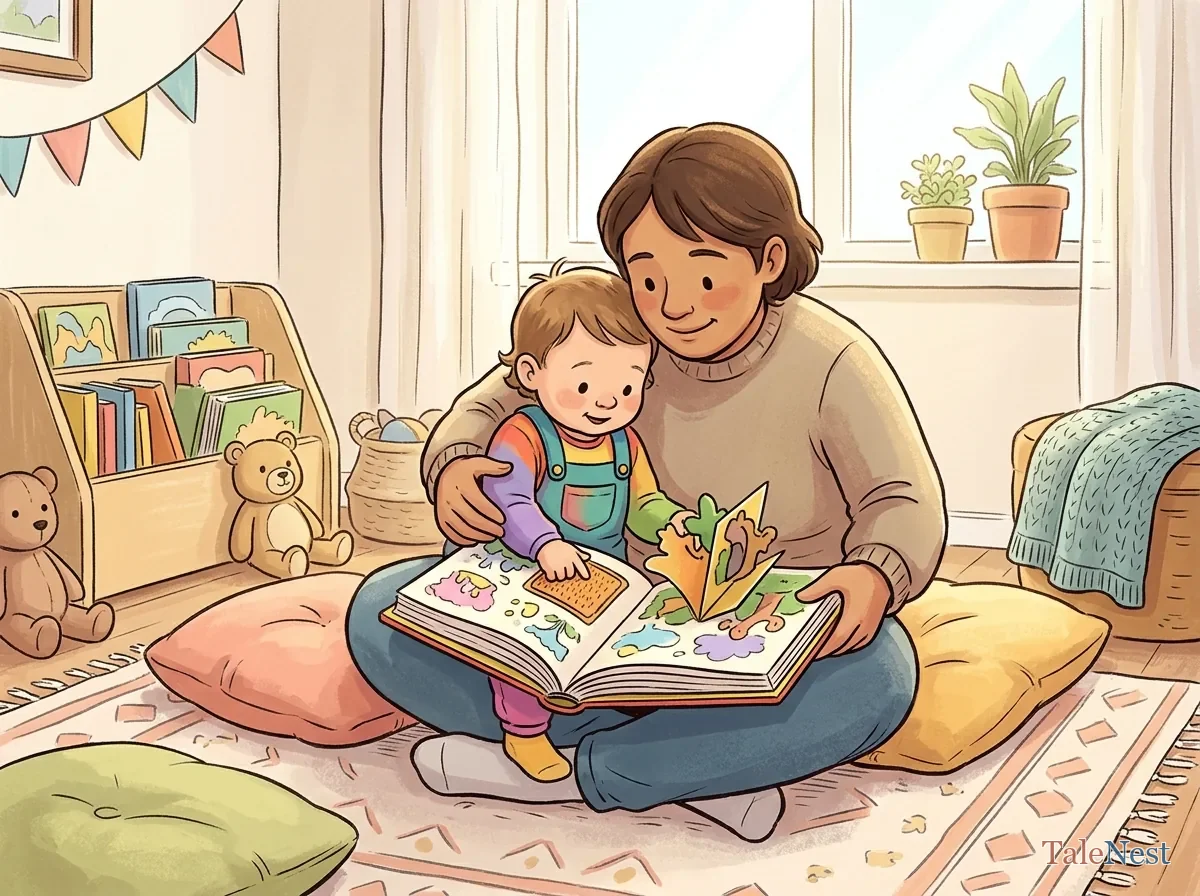
Chain stories. To build a love of stories, make them up together. Anything can be a starting point, a news headline, an advertisement, something you see on the street, or a drawing. One person opens with a sentence and each player continues the tale however they like, which regularly produces wonderfully silly results. If a long story is too much, ask your child just to invent the ending. It is a quick, easy way to get them thinking about how narratives unfold.
Kitchen assistant. Let your child pick a simple recipe and read the steps aloud while you do the cooking. They get real practice reading for a purpose, and the reward is something you can eat together. If they are old enough, they can also fetch and line up the utensils, which adds a little responsibility to the job.
Street reading. Out and about, read everything you see: street names, shop signs, advertisements, and car number plates. If your child is very young, their part is to spot places where there is text and point them out, while you do the reading. It turns a dull walk into a quiet lesson and shows them that words are everywhere.
Short, playful word games woven into daily routines build literacy and a lasting love of stories.