How to Teach Kids to Dress Themselves
From first attempts at 18 months to tying shoelaces at five, here is how to guide your child toward dressing independently, one small victory at a time.
This guide offers general information for parents and carers. It is not medical, psychological or developmental advice; ask a qualified professional about your own child.
Teaching a child to dress themselves is a milestone that unfolds gradually, in step with their developing abilities. It is a challenge for them, but also for parents, because the teaching can be slow and, at times, tedious. In a life ruled by hurry and tight mornings, it can be tempting to do it for them. Yet the time and patience you invest here pay off in confidence and independence. Managing buttons, zips, and laces is really a daily fine-motor workout, disguised as an ordinary morning routine.
There is no single day when a child suddenly becomes capable. Still, there is a rough sequence most children follow.
Around 18 months, many children can start taking clothes off, though they will still need help with buttons or pulling a t-shirt over their head. Other items may come off earlier. By about two years old, they can begin pulling up underwear and trousers. At three, socks and fastened, sleeved garments, shirts, vests, coats, jackets, come into reach.
By four, most children should be able to dress themselves and zip up zips. They can usually put on their shoes too, even if tying laces is still beyond them; that is a skill they can start practising. Around five, buttons and buckles become manageable, and learning to tie shoelaces is a realistic next step.
Every child moves at their own pace, so avoid pushing or scolding. Dressing depends on fine and gross motor skills that take time to mature. Stay patient, be present, support the effort, and celebrate the achievements along the way. It also helps to build a few spare minutes into the morning. Rushing is the enemy of learning here: when the clock is against you, it is tempting to grab the coat and dress the child yourself. A calmer start gives them room to finish the job, however slowly.
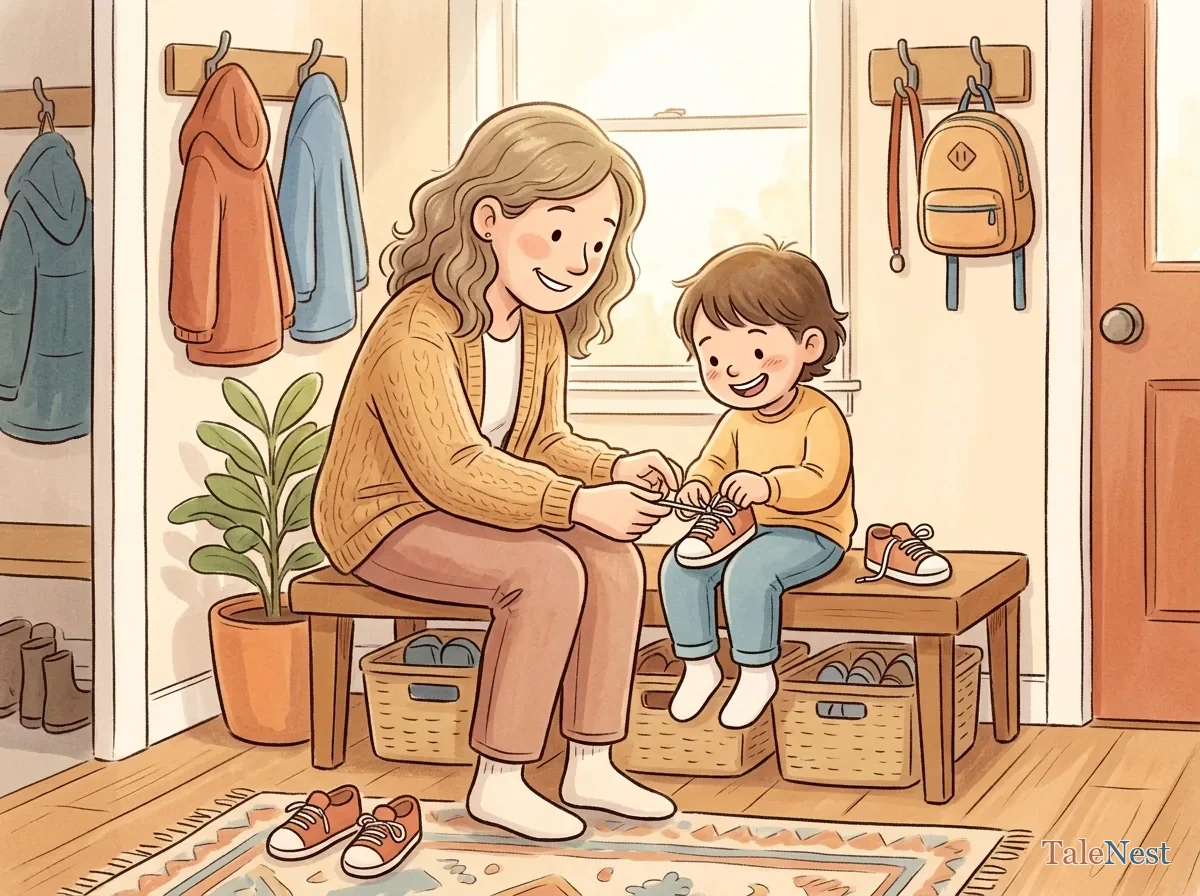
Explain how garments work. A child needs to understand what a piece of clothing is and what it does before they can link each movement to the right part of their body. While you dress them, talk about the openings and which body part goes through each one. You can also explain what buttons and zips are for and how they help keep clothes in place. Naming each step out loud, sleeve, hole, button, gives them a little script they can eventually repeat to themselves.
Choose easy clothes. The simpler the garment, the faster a child learns to manage it. Start with trousers that have no buttons and simple t-shirts. Elastic waistbands and loose sleeves remove a lot of early frustration and let the child focus on the basic sequence of getting dressed. Soft, stretchy fabrics and shoes with wide openings are far kinder to small hands than stiff materials and tight fittings.
Let them taste success. If a child can dress themselves, even in simple clothes, they get to enjoy that feeling of 'I did it.' Every new garment then becomes a challenge they want to conquer so they can feel it again. That motivation is far more powerful than any reminder from you.
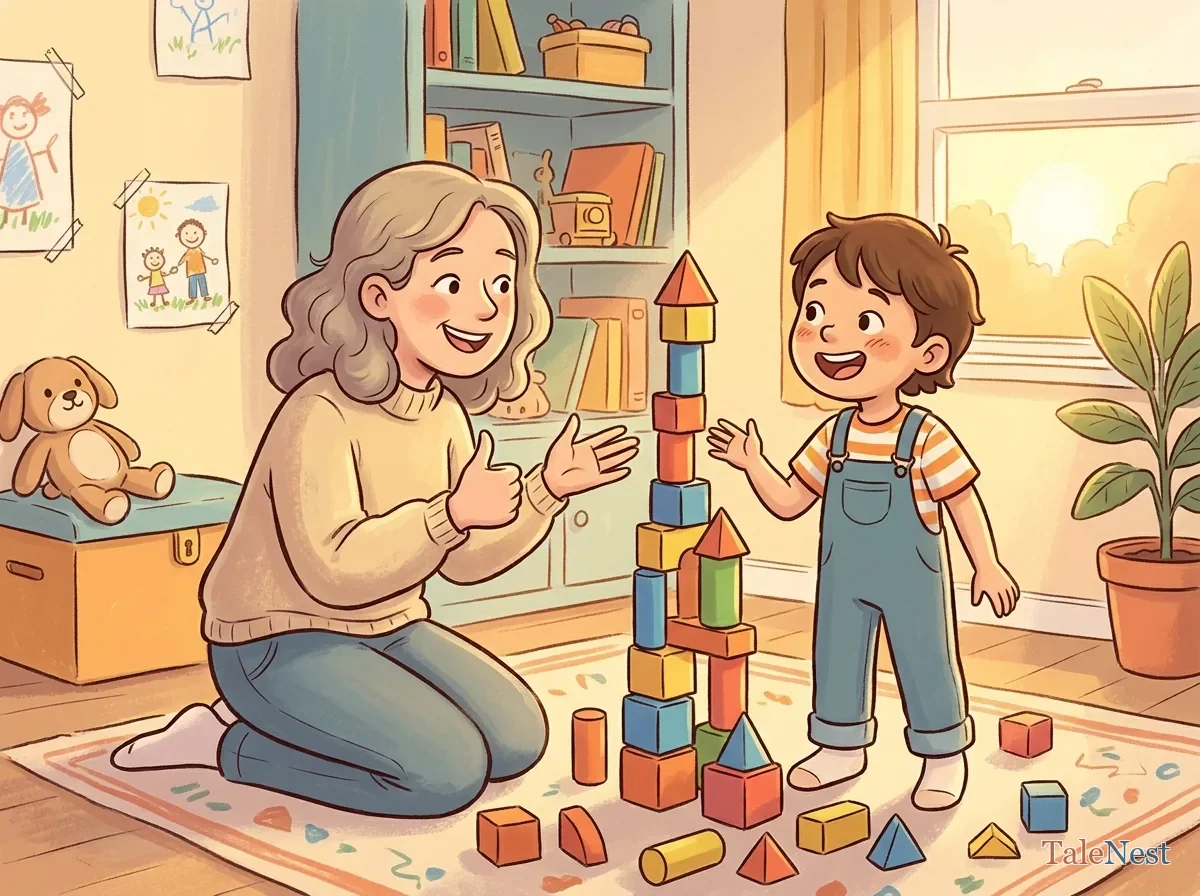
Praise every attempt. Even if the socks are on the wrong feet, the t-shirt is back to front, the zip sits at the back, or the buttons are crooked, acknowledge the effort. What matters is that they want to try. Resist the urge to step in the instant they struggle; a few moments of trial and error teach more than a perfectly dressed child does. Little by little, you can show them how to do it properly and explain gently why a piece is not sitting right. Correct the technique, never the enthusiasm. Mornings may be messier for a while, but each small victory builds a child who can look after themselves.
Follow your child's pace with simple clothes, clear explanations and plenty of praise, and each small dressing success builds lasting independence.